How to Read the Sober Living Market in Your City
A data-driven framework for operators to assess demand, competition, and growth opportunities in their local recovery housing market.

How Do You Read the Sober Living Market in Your City?
Start with occupancy rates and funding flows - these two metrics reveal whether your local market can sustain new operators or if it's already saturated.
According to Credence Research, the sober living industry generated $1.34 billion in revenue in 2023 and is projected to reach $2.12 billion by 2032, growing at 5.2% annually. But national figures hide the truth: recovery housing operates as dozens of distinct local markets, each with different demand patterns, regulatory environments, and competitive dynamics.
The demand foundation is massive. Nearly 39 million Americans with substance use disorders received no treatment in the past year, representing an 80% treatment gap according to SAMHSA data cited by Sobriety Hub. Only 15.6% of people with substance use disorders received any form of treatment in 2023, according to SAMHSA's 2024 National Survey on Drug Use and Health. This creates a huge addressable market. It's unevenly distributed across geographic regions.
Market concentration tells the first part of the story. Los Angeles accounts for about 25% of the entire U.S. sober living market, while New York represents another 20%, according to Credence Research. These two metropolitan areas control nearly half of all market activity. The remaining 55% is scattered across hundreds of smaller markets nationwide.
The financial mechanics reveal market health more precisely than demand estimates. Mature sober living operations achieve 80-95% occupancy rates and generate operating margins of 20-35% at stabilization, per Sobriety Hub. Break-even occurs at about 70% occupancy, with profitability typically reached within 6-18 months.
Ideal occupancy rates for sustainable operations fall between 80-90%, balancing community support with financial stability.
Public funding flows show you which markets are expanding capacity versus those approaching saturation. Michigan allocated $37.5 million in opioid settlement funds to add 3,467 new recovery housing beds. New Jersey committed over $120 million to recovery housing expansion. New York designated $5 million for newly certified recovery residence providers, according to OASAS NY. SAMHSA awarded $45 million for young adult sober housing in September 2025.
These funding announcements signal two market conditions: genuine unmet demand in these states, and government recognition that recovery housing produces measurable outcomes. Abstinence rates in sober living environments increase from 11% at entry to 68% at six and twelve months, according to Sober Apartment Living, with rates staying elevated at 18 months. Aftercare participation, including sober living, increases long-term success by up to 60%.
The regulatory environment shapes market entry barriers and operating costs. States with established certification programs and clear compliance frameworks typically support more operators. They also require higher initial investments. Markets without regulatory clarity often experience boom-bust cycles. Operators enter without understanding legal requirements, then exit when enforcement increases.
Three major shifts are reshaping local markets in 2026: stronger compliance expectations, expanded public funding in select states, and growing recognition that recovery housing serves as a critical bridge to long-term sobriety. Want to enter an established market? Expect higher barriers but more predictable operating conditions. Entering emerging markets? Less competition, but greater regulatory uncertainty.
Sources
- Credence Research, U.S. Sober Living Homes Market report
- SAMHSA via Sobriety Hub, How to Open a Profitable Sober Living Home: The Definitive 2026 Guide
- SAMHSA NSDUH 2024
- Sobriety Hub, How to Open a Profitable Sober Living Home: The Definitive 2026 Guide
- OASAS NY
- Sober Apartment Living, Sober Living Success Rates in 2026
- Ranch House Recovery, Does Rehab Really Work? 2026 Success Rates
- One Step Software, 2026 State of the Sober Living Home Industry
Note: This article is for informational purposes only and does not constitute legal advice. Consult a qualified attorney for guidance specific to your situation.
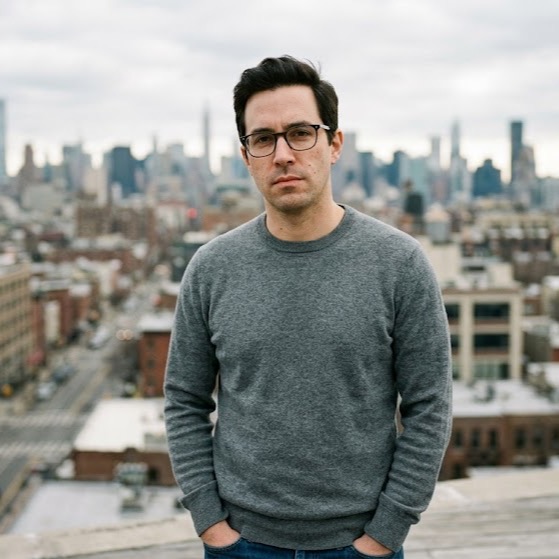
Nolan tracks the numbers behind the sober living industry: pricing trends, market dynamics, and the data that most operators never see. He came to recovery housing from real estate analytics and hasn't looked back. Based in New York.
View all articles →Profit Leak Calculator
Run the numbers on your operation. See exactly where revenue is leaking and get a free ROI spreadsheet.
Run your financial audit →