Sober Living Waitlists: How Long and What to Do While Waiting
**Waitlists vary dramatically by location and demand, but expect weeks to months for quality homes. According to a Salvation Army report compiled by GrowSF.
Guides for people looking for sober living homes
**Waitlists vary dramatically by location and demand, but expect weeks to months for quality homes. According to a Salvation Army report compiled by GrowSF.
**The most dangerous red flag is no rules at all - if a house has no drug testing, curfews, or behavioral expectations, it's not actually a sober living home.
**Most sober living homes don't include meals in your monthly rent. According to Marr Inc.

**Yes, you can date while living in sober living, but most homes have specific rules about overnight guests and curfews that will affect your dating life.
**House meetings are structured group sessions where residents discuss house rules, share experiences, and hold each other accountable - typically held weekly with mandatory attendance.
**Sober living homes serve people recovering from all types of substance use disorders - not just alcohol. ** While adult males represent the largest demographic according to Worldwide Market Reports, residents include people with dependencies on opioids, cocaine, methamphetamines, prescription d...
**Average length of stay varies by model: CSLT sober living houses average 166 days (~5. 5 months), ORS houses average 254 days (~8.
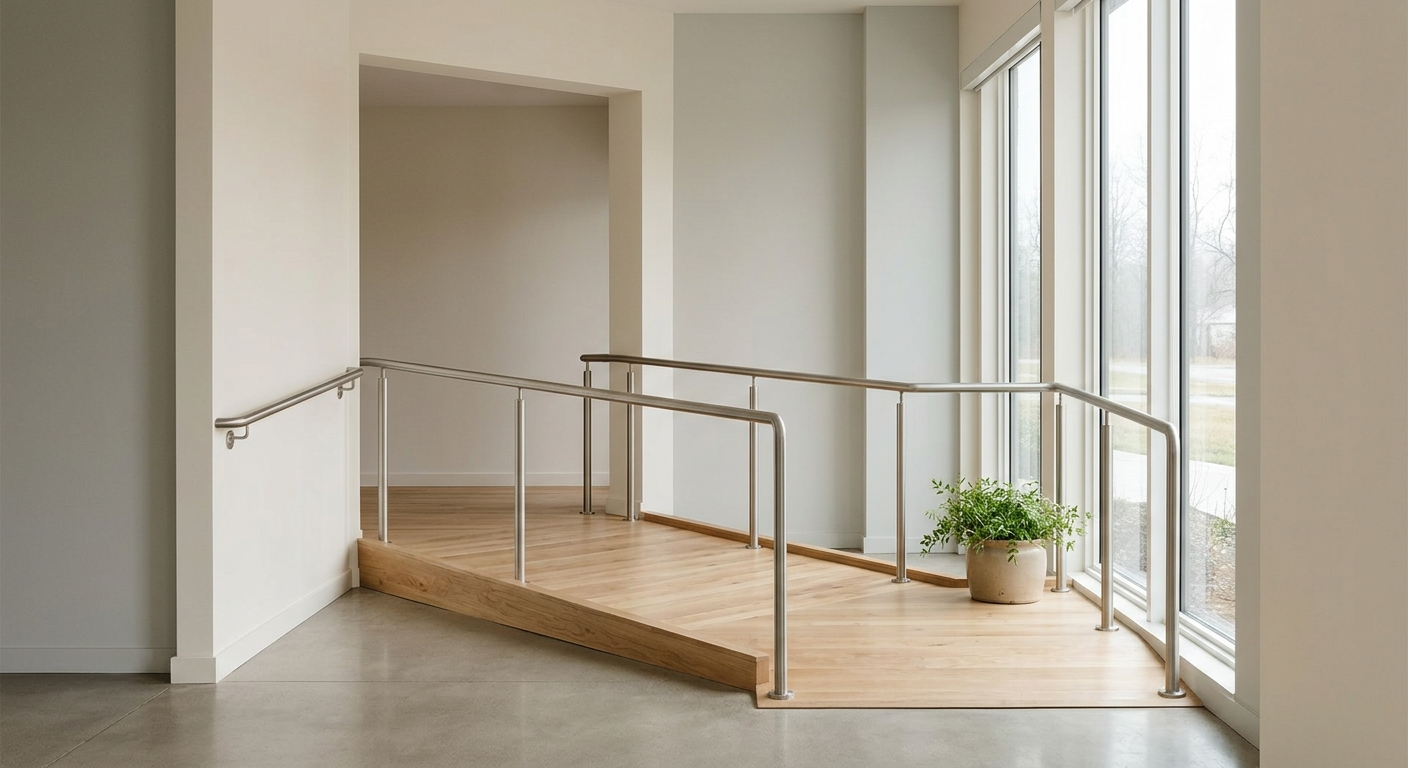
**Substance use disorder qualifies as a disability under federal law, which means sober living homes must provide reasonable accommodations under the ADA and Fair Housing Act.

**A recovery coach is a trained peer support specialist who helps people navigate early sobriety, but the availability of recovery coaches varies by facility.
**Address issues directly with your roommate first, then involve the house manager if needed. Most conflicts stem from different recovery stages and living habits, not personal attacks.

**Yes, you can absolutely go to school while living in a sober home. Most homes encourage education as part of building a stable, sober life.

**Look for homes that explicitly welcome MAT residents, have medical partnerships for medication management, and understand that MAT is legitimate treatment - not something to "wean off.
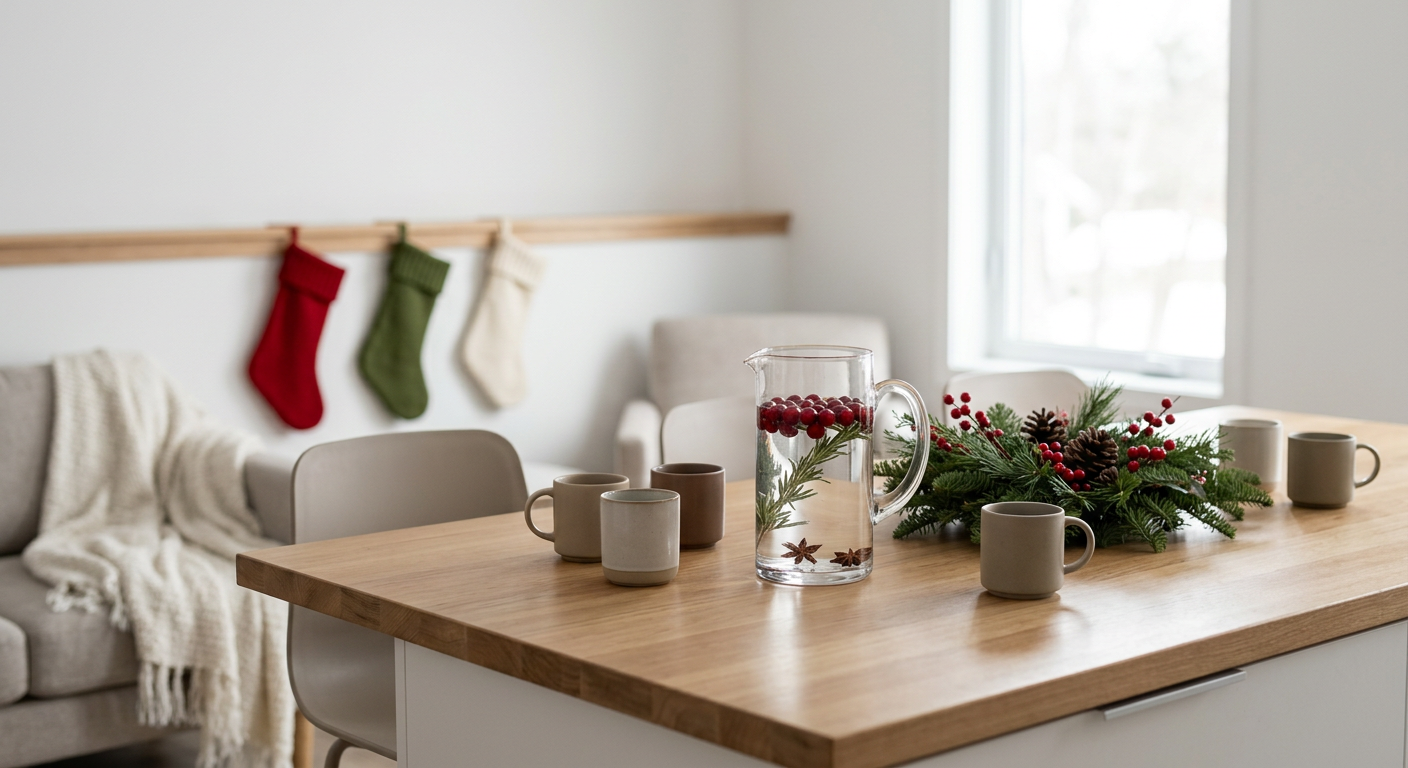
**Most sober living homes create structured holiday programming with sober events, peer support activities, and maintained routines to help residents navigate emotionally challenging seasons.

**No, you don't need a referral to get into most sober living homes. You can call directly and apply on your own.

**Look for third-party certification from organizations like NCORR or state licensing where required. According to the National Coalition of Recovery Residences, legitimate homes follow comprehensive safety and programming standards and carry proper insurance coverage.
**Veterans have access to VA's Residential Rehabilitation Treatment Program (RRTP) with over 6,500 beds across 120 sites nationwide, plus while independent sober living homes may exist in some communities, the VA's RRTP remains the primary verified resource for veteran-specific residential treatm...
**Yes, you can leave sober living whenever you want - these are voluntary programs, not locked facilities. ** But understanding the timing matters for your recovery success.

**A typical day in sober living starts with a 6-7 AM wake-up, includes structured activities, communal meals, house meetings, and ends with a 9-11 PM curfew, according to Avenues New York.
**Yes. According to Imprint News, 363 family-based recovery programs across 48 states allow parents to live with their children during recovery.
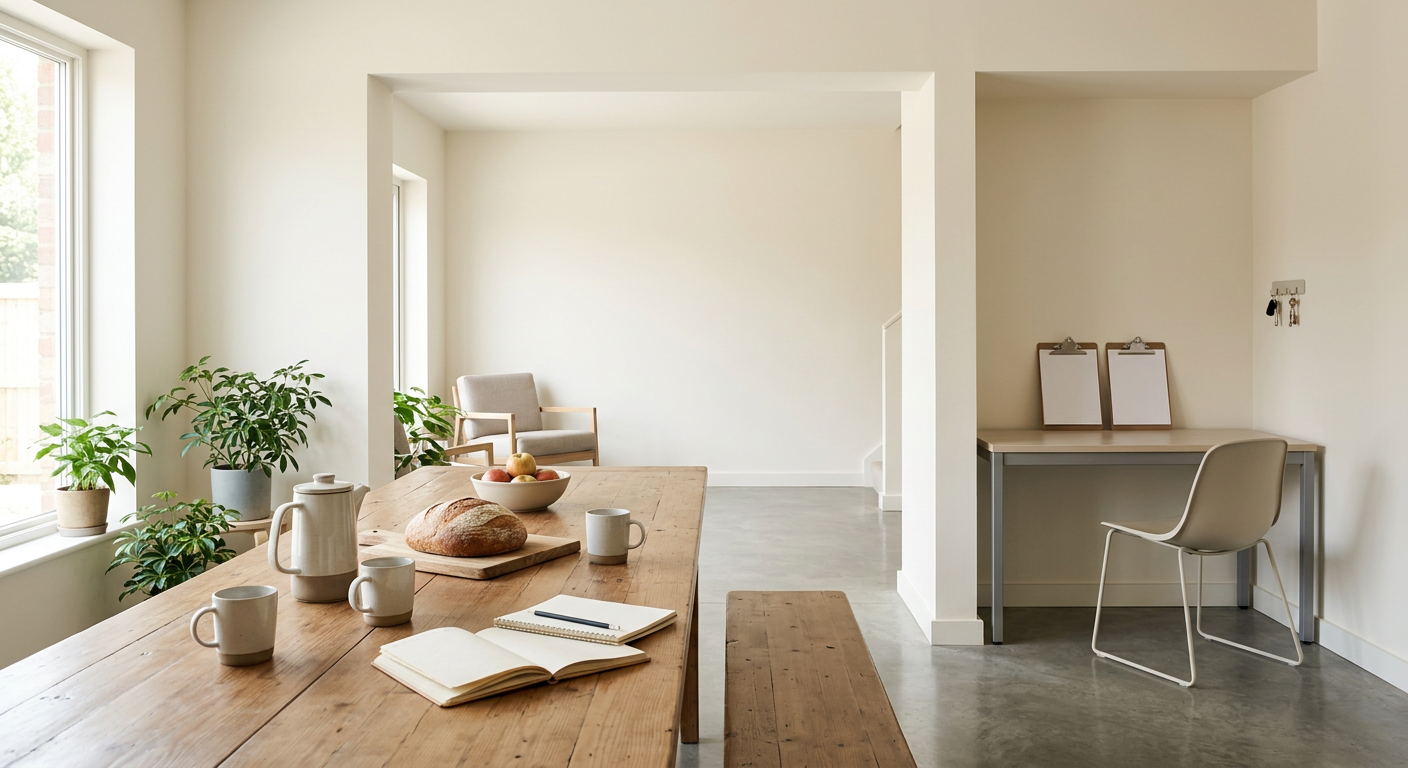
**An Oxford House is a peer-run sober living home where residents vote on new members and manage the house democratically, with no professional staff or time limits.

**No, insurance typically doesn't cover sober living homes because they don't provide formal addiction treatment services. You'll likely pay out of pocket, according to American Addiction Centers.
**Free sober living is rare, but Oxford House offers the most affordable option nationwide, while state funding programs and sliding-scale homes can reduce costs significantly.
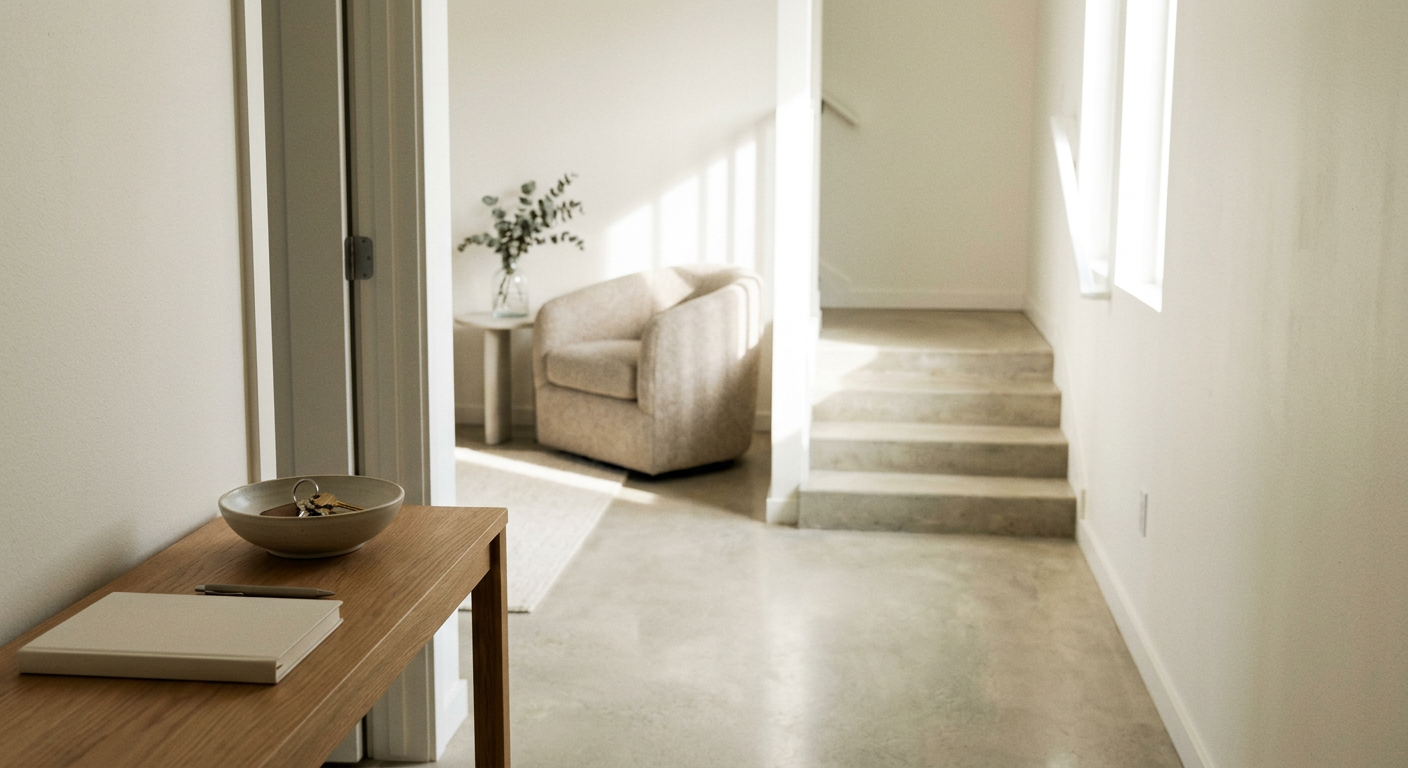
**Most sober living homes allow daytime visitors with advance approval, but according to Ikon Recovery Center, 75% completely ban overnight guests. Visitor policies exist to protect your recovery environment.
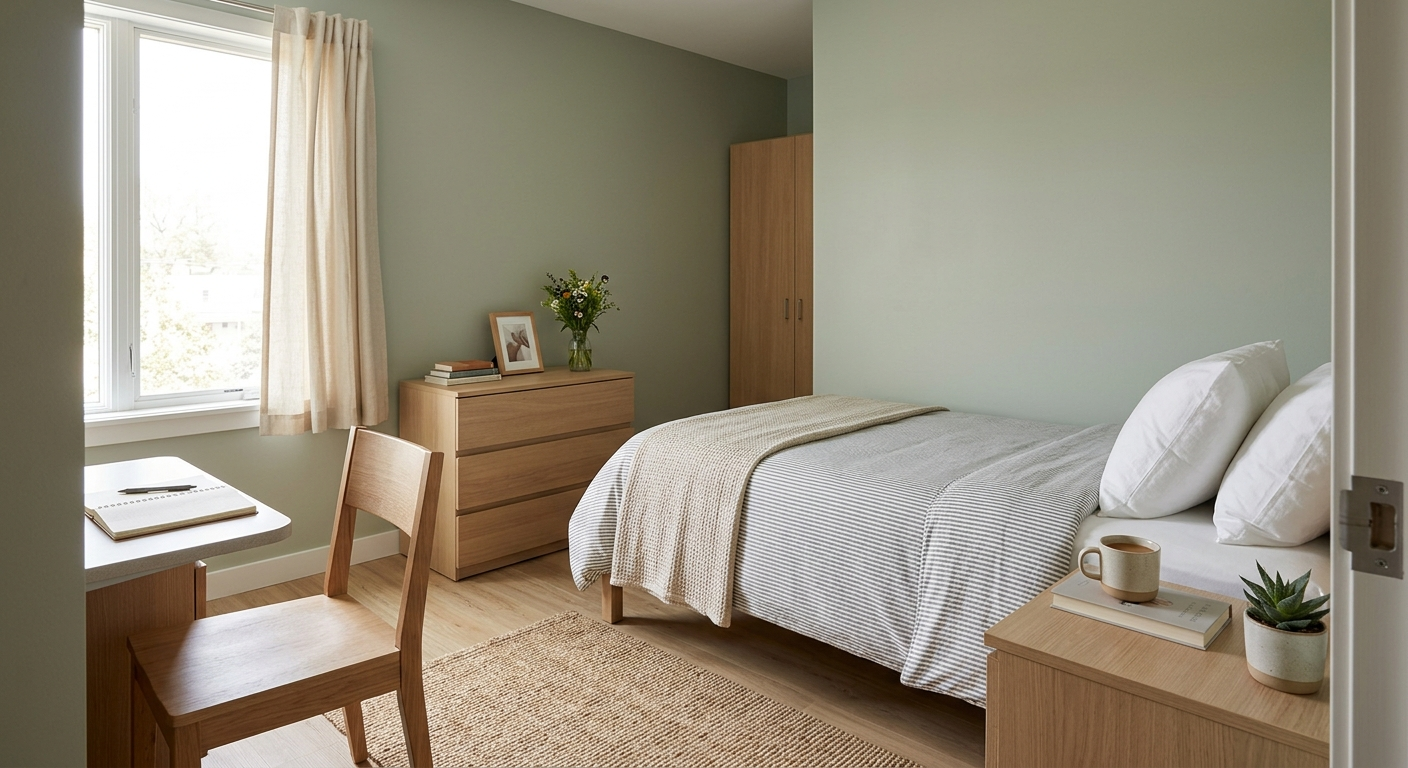
**Sober living homes provide structured support and peer accountability that most family homes can't match, making them the safer choice for early recovery.
**It depends on the house rules, but according to guidance from Vanderburgh House, most quality sober living homes use graduated responses rather than automatic eviction for a first positive drug test.

**According to Marr Inc. , most sober living homes charge $450-$800 per month for shared rooms and $1,000-$2,500 for private rooms.

**No, sober living homes don't drug test daily. According to Vanderburgh House policy recommendations for sober living operators, most use random testing, testing for cause, after incidents, or when residents return from passes.
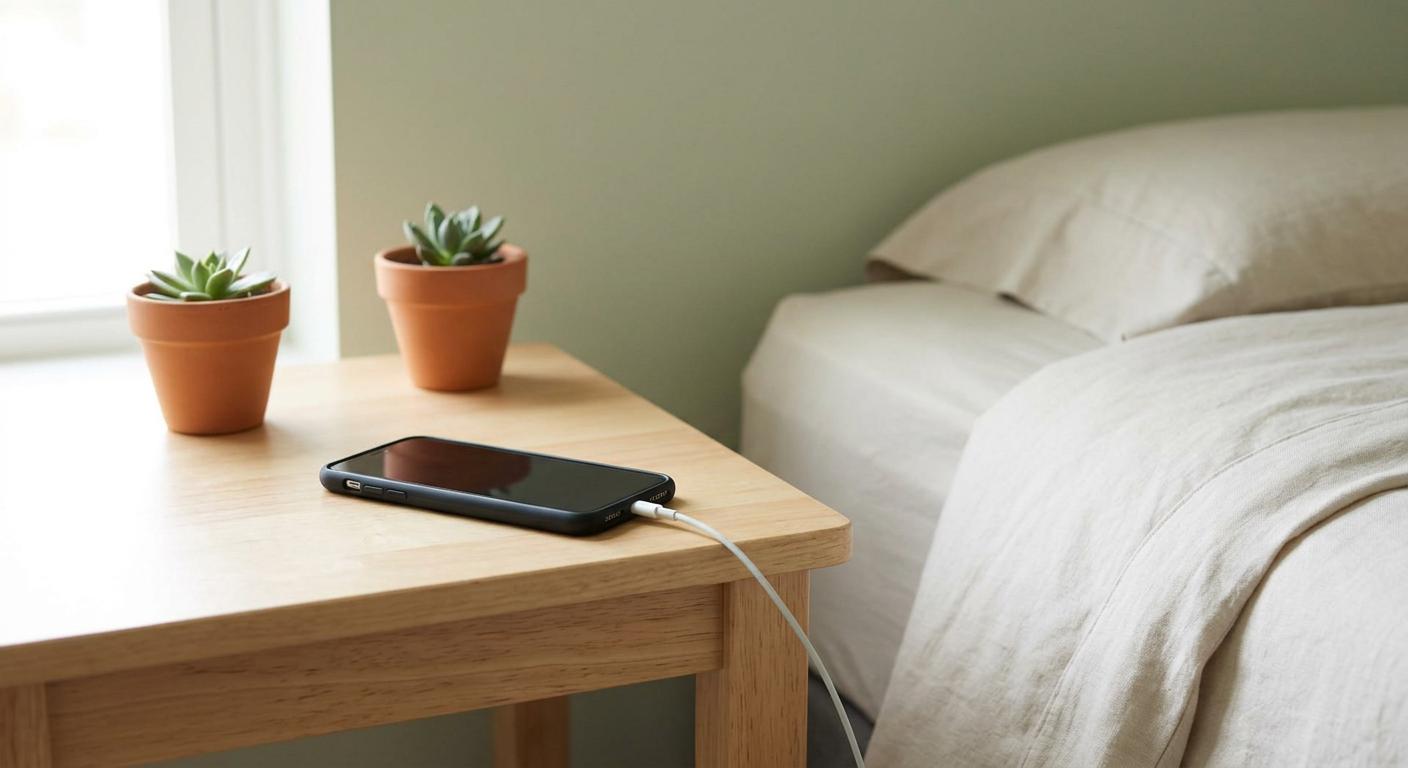
**Yes, you can bring your phone to sober living, but expect restrictions during your first few days and during house meetings.
**Level 1 homes are peer-run with no paid staff, while Level 4 homes provide clinical addiction treatment with licensed professionals.

Finding the right sober living home means more than just finding a bed—it requires evaluating location accessibility, house structure and accountability systems, and the strength of peer community. This guide helps seekers ask the right questions to match their recovery needs with the right environment.
Moving into sober living is a major decision that affects your whole family. Learn how to frame the conversation, address their concerns, and help them understand why structured housing supports your long-term recovery.
Relapse is a common part of recovery, but what actually happens to your housing and recovery plan if it occurs in a sober living environment? We break down relapse rates, house policies, and pathways forward.
Pet-friendly sober living homes exist, but fewer than 10% truly qualify as pet-inclusive without breed restrictions, weight limits, or high fees. Understanding what "pet-friendly" actually means can help you find housing that welcomes both you and your companion during recovery.

Sober living homes offer affordable housing for people in recovery, but understanding your payment options is key. Learn what shared and private rooms actually cost, and explore the financial pathways available to you.
Sober living homes enforce specific rules designed to protect residents' recovery. Learn what policies you'll encounter, why they matter, and how they improve your chances of maintaining sobriety.
Research shows that residents in sober living homes experience substantial improvements in employment outcomes within the first six months, with employment providing critical structure that reduces relapse risk and supports long-term recovery.
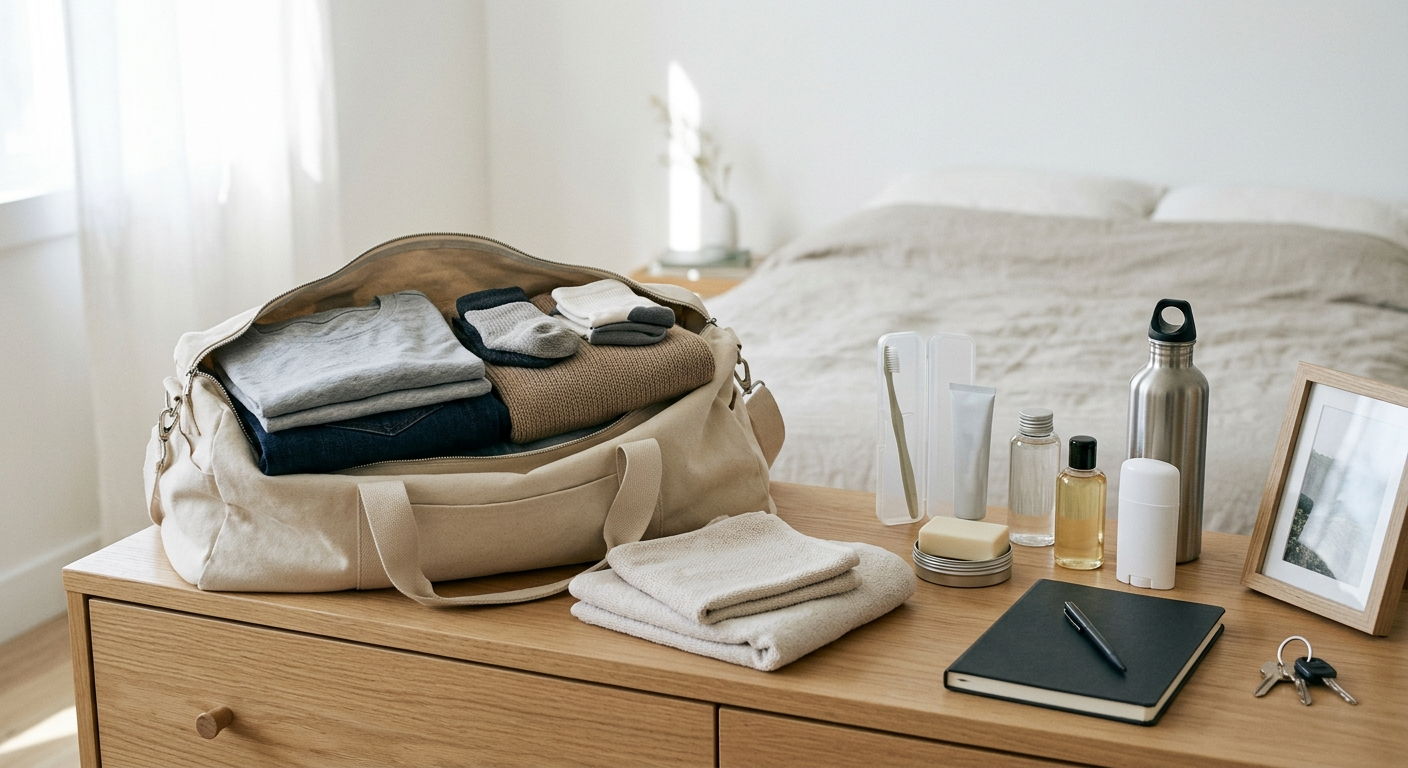
Moving into sober living housing requires careful planning—facilities have specific limits on clothing, toiletries, and personal items to maintain a structured environment. This checklist covers exactly what you need to bring and what to leave behind.
Choosing the right sober living home is critical to long-term recovery. This guide walks seekers through the key questions to ask—backed by data on success rates, program structure, and what actually works.
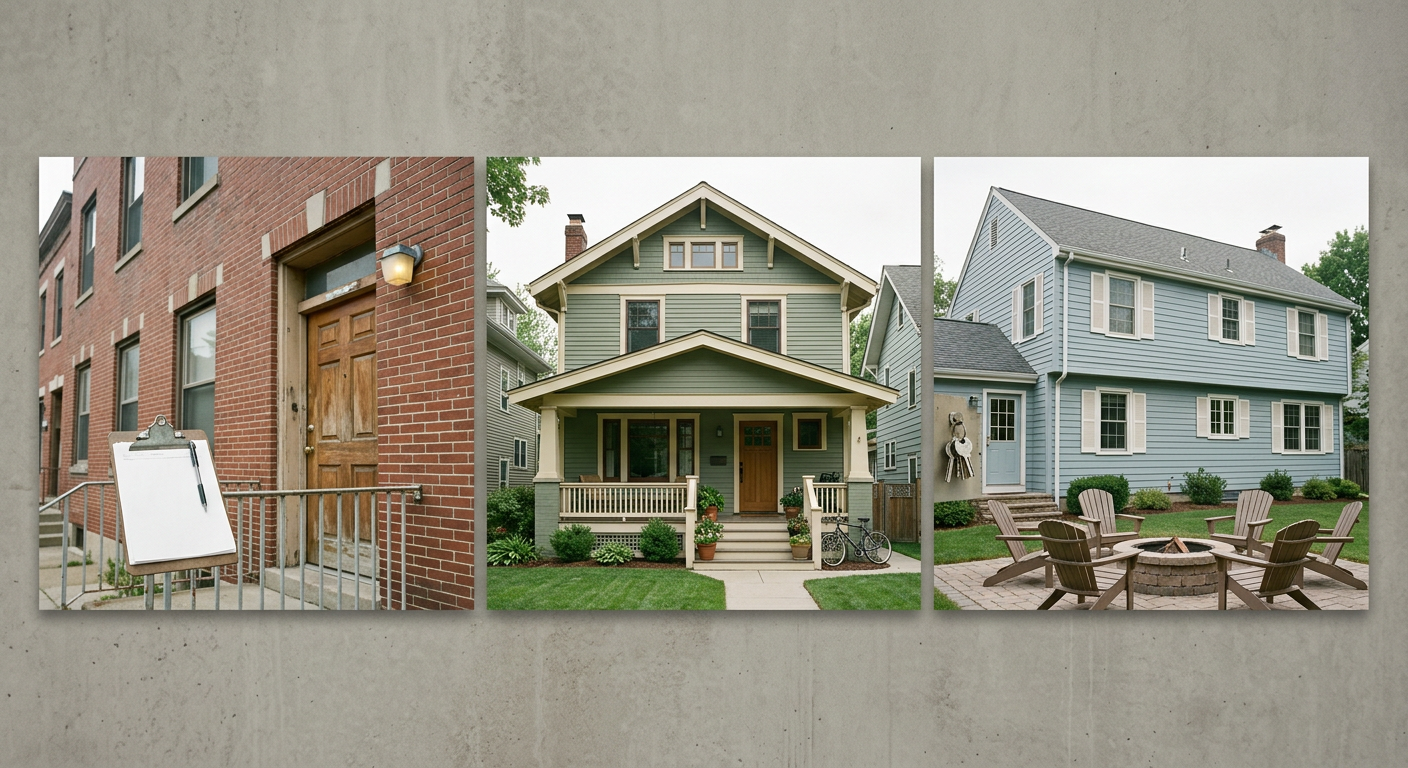
Sober living homes, halfway houses, and Oxford Houses each serve different roles in recovery housing. Learn the structural differences, length of stay policies, and what each model offers to help you make an informed decision about your recovery path.
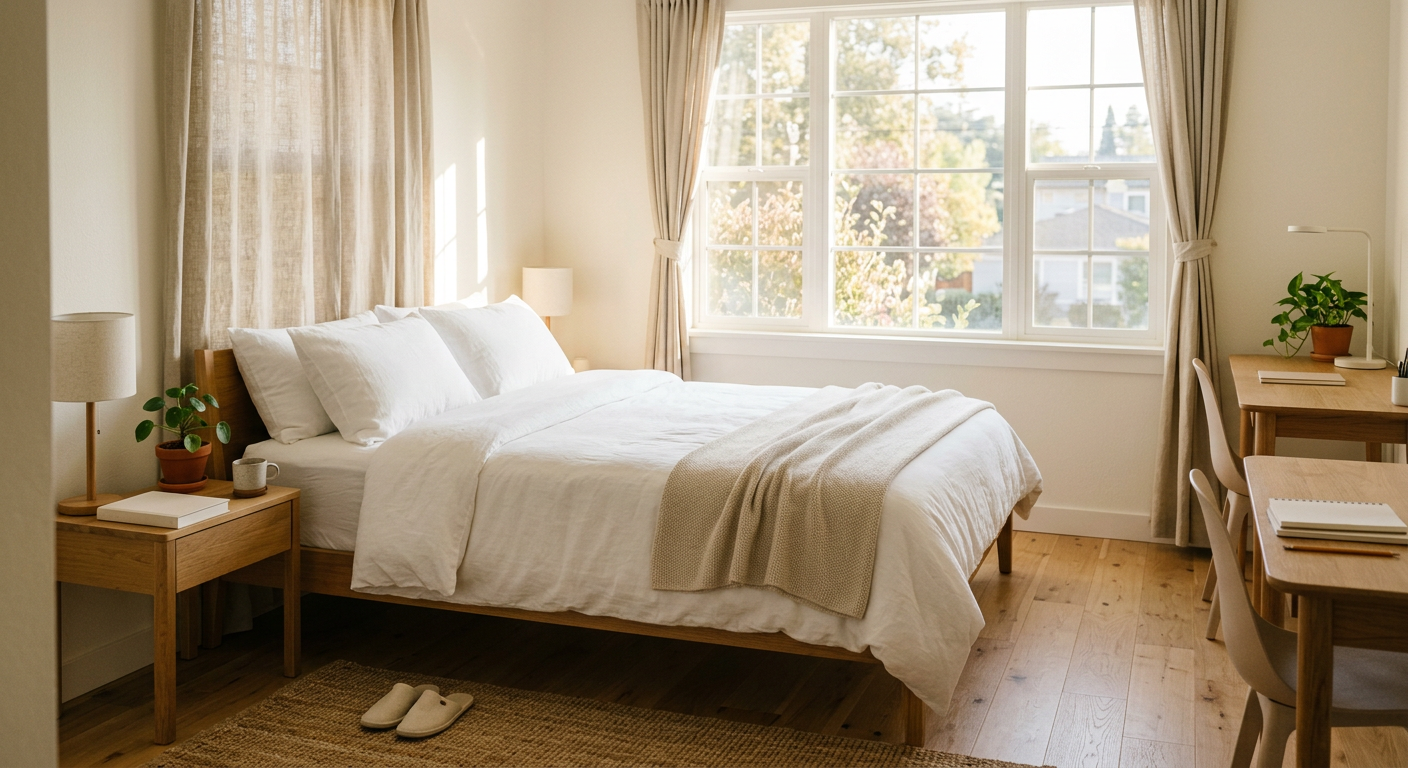
Your first week in sober living sets the foundation for long-term recovery success. Learn what to expect, how to adjust to house rules and routines, and why the first 30 days are statistically the most critical period for maintaining sobriety.
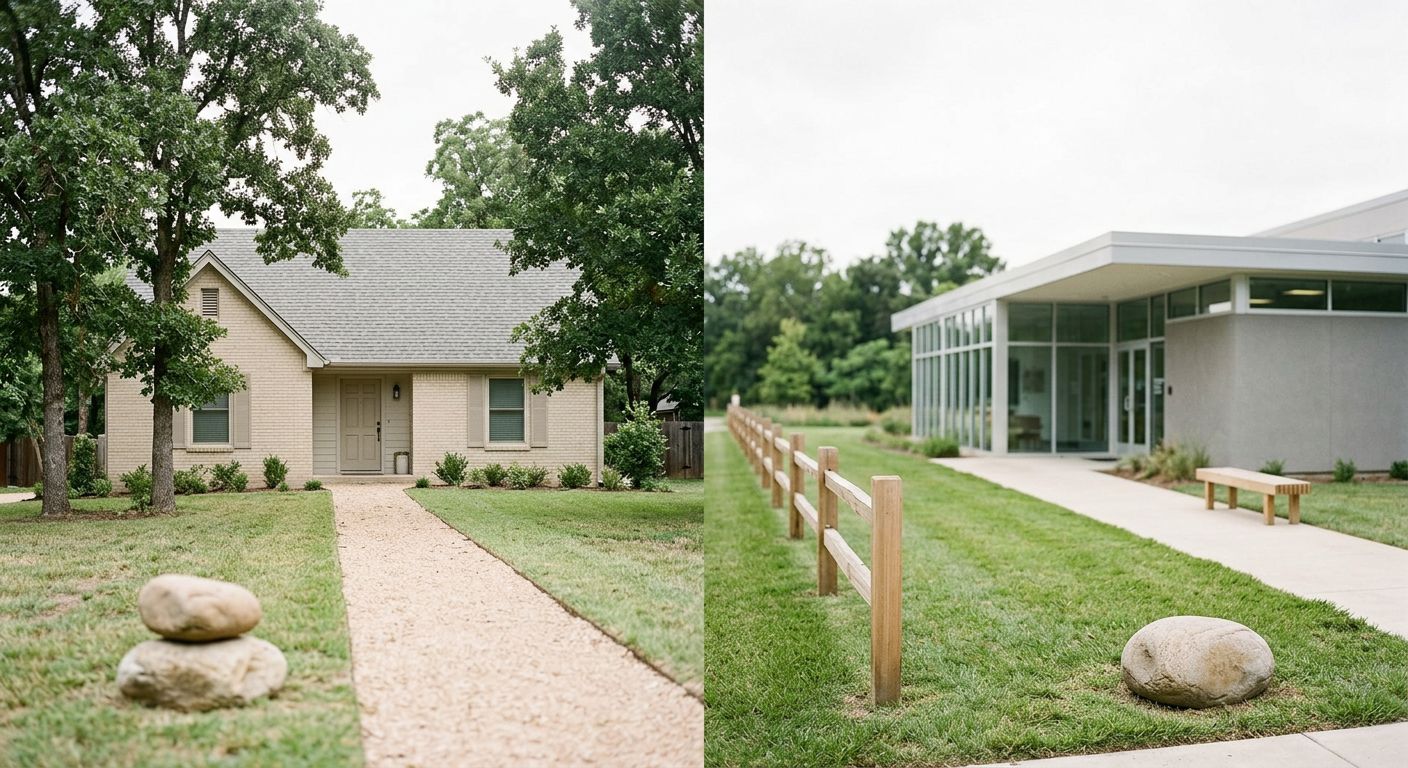
Choosing between sober living homes and outpatient treatment requires understanding the real differences in cost, program structure, and completion rates. This analysis compares the two pathways with current pricing data and outcome statistics to help seekers make informed decisions.

Research shows abstinence rates in sober living homes climb from 11-20% at baseline to 40-68% within 6-12 months. But length of stay and peer support matter more than you might think.