Sober Living Roommate Issues: How to Handle Conflict

How Do You Handle Roommate Conflict in Sober Living?
Address issues directly with your roommate first, then involve the house manager if needed. Most conflicts stem from different recovery stages and living habits, not personal attacks.
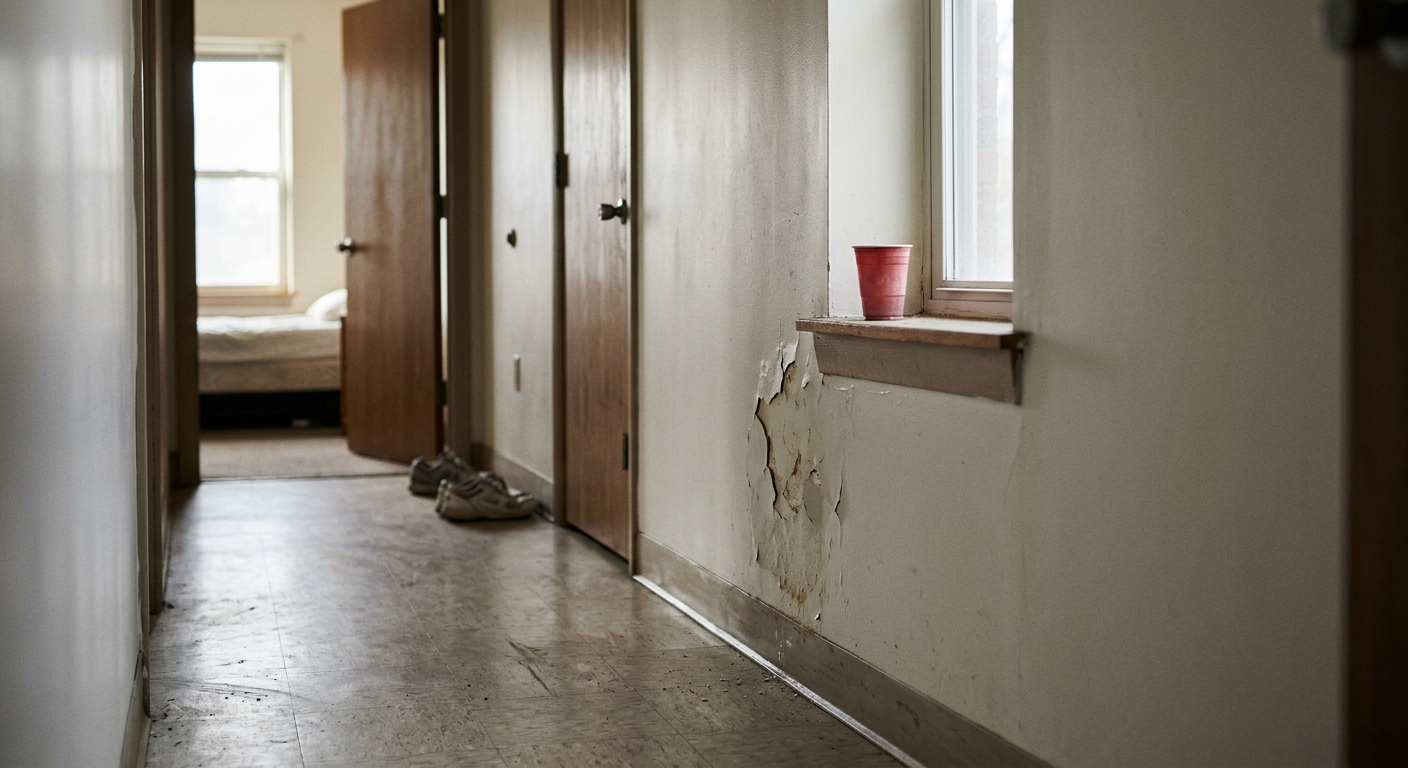
Your roommate leaves dishes in the sink for three days. Again. Or they're on the phone at midnight when you're trying to sleep. In sober living, these small irritations feel bigger because everyone's emotions are closer to the surface.
Start with a conversation. Not when you're angry. Choose a moment when you're both calm and say something like: "Hey, can we talk about the kitchen situation? I'd like to figure out something that works for both of us." Most roommate issues resolve here.
Research on sober living homes shows that peer influence and roommate behavior can affect substance use outcomes, particularly perceptions of peer drinking and roommates' self-reported drinking. The person across from you is dealing with their own stress, their own timeline. Among sober living residents, the National Center for Biotechnology Information reports that the average time in continuous abstinence is 25 months - meaning some people are brand new to sobriety while others have years of practice.
If direct conversation doesn't work, bring it to your house manager. That's what they're there for. They've seen every roommate conflict you can imagine and know how to mediate without taking sides. Don't let resentment build. It's harder on your recovery than having an uncomfortable conversation.
The goal isn't to become best friends with your roommate. It's to create a space where you can both focus on staying sober.
Sources

Cara writes for the people sober living is actually built for: individuals in recovery and the families supporting them. Her background is in community health, and she covers what the process actually looks like from the other side of the front door. Based in Austin.
View all articles →Right-Fit Finder
Answer 6 questions and get a personalized recommendation for the type of sober living home that fits your needs and budget.
Find your fit →