What to Expect Your First Week in a Sober Living Home
A practical guide to navigating the critical first seven days of your recovery journey in a structured sober living environment.

Why Are the First 30 Days So Critical in Sober Living?
The first 30 days carry the highest relapse risk. According to Vanderburgh House, up to 60% of people relapse within the first month after leaving treatment.
You're not imagining how hard this feels. The statistics back up what your gut already knows.
Nearly half of all treatment graduates who relapse in their first year do so within just one month, Vista Research Group reports. That's not a failure of willpower. It's the reality of early recovery when your brain is still rewiring itself and everything feels overwhelming.
Here's what makes those first weeks so dangerous: you're managing new house rules, new roommates, and the pressure to find work or get back to school while your recovery is still fragile. Your nervous system is recalibrating. Sleep is probably terrible. The smallest stress can feel enormous.
But here's the encouraging part. Data from Ikon Recovery Center shows that residents who stay in sober living for six months or more have a 70-80% success rate in maintaining sobriety. The difference between that 60% early relapse rate and the 70-80% long-term success rate? Getting through these first weeks.
The structure isn't there to make your life harder. It's there because routine creates safety when everything else feels uncertain. Daily meetings, check-ins with house managers, and even the job search requirement aren't punishments. They're guardrails.
According to program retention analysis from Boise Sober Living and Phoenix House, the median length of stay is 5 months, with average stays ranging from 166-254 days across different types of sober living homes. That might feel impossible right now, but you don't have to think about months. You just have to think about today. Then tomorrow. The community around you has walked this same path.
What Daily Routines and House Rules Should You Prepare For?
Mile High Sober Living notes that your first week focuses on adjusting to house rules, meeting your house manager and current residents, and establishing daily routines including house meetings and household chores.
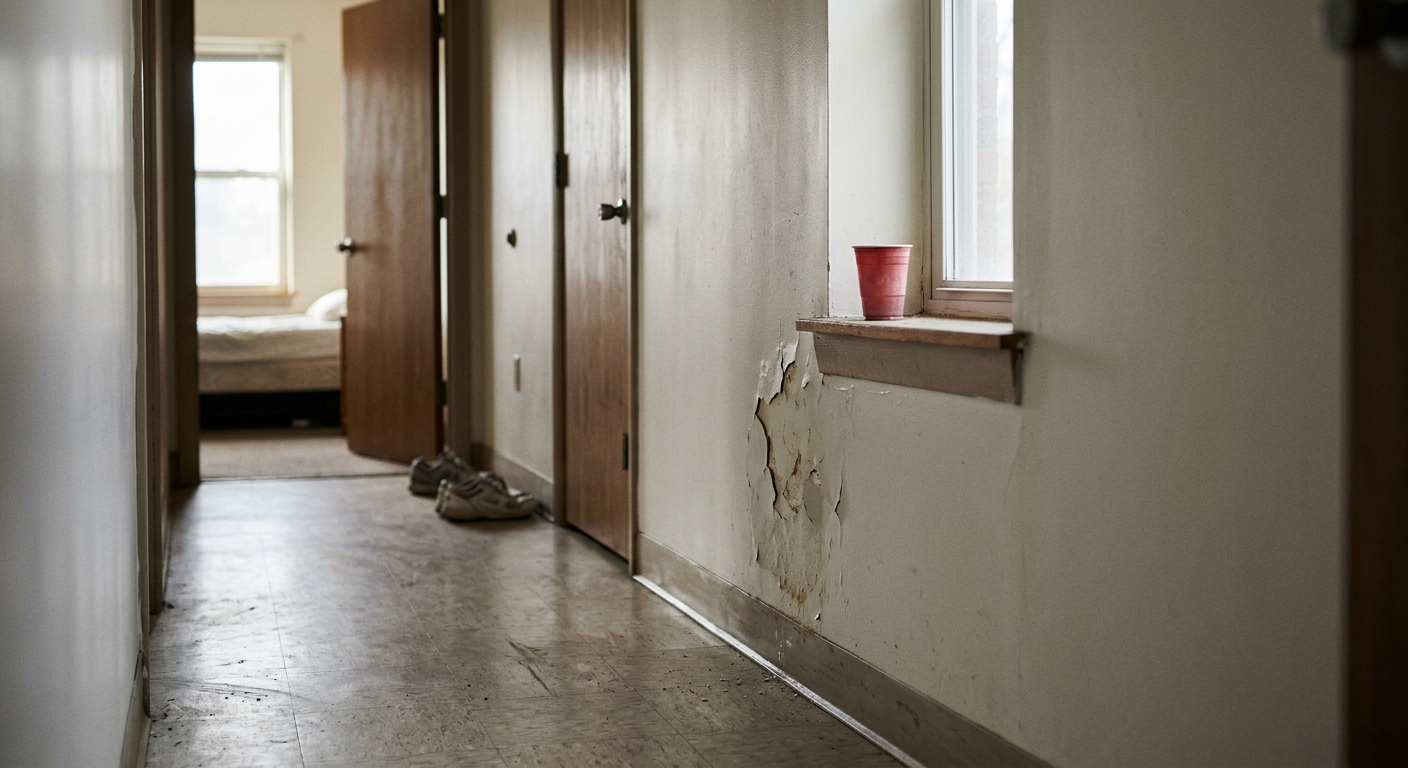
The first week can feel overwhelming. New house, new rules, new people, as The Sober Pad describes it. But here's what actually happens: structure becomes your friend.
Your house manager will orient you during that first week, according to Vanderburgh Communities. They'll walk you through the resident handbook, review your rights and responsibilities, and yes, they'll search your belongings for anything that could be dangerous. It's not personal. It's protocol.
Curfews hit different when you're adjusting. New residents often face an early curfew for the first 30 days. Established residents get more flexibility, typically with later hours on weekends. Some homes keep it simple with a standard 10:00 PM curfew.
The chore system keeps everyone invested. Daily assignments rotate among residents, so you might have kitchen duty Monday and bathroom cleaning Wednesday. Your house manager oversees these assignments along with monitoring room cleanliness and ensuring you have what you need, The Hope Inc. explains.
Recovery meetings aren't optional. You're required to attend daily and work with a sponsor or mentor. Plus those individual check-ins with a Peer Recovery Specialist at least twice a week. It sounds like a lot because it is.
One rule stays consistent everywhere: overnight guests are prohibited. Your room is your space, but it's not a hotel.
According to research published by the NIH, the house manager becomes your main point of contact for everything from rent collection to facility repairs to enforcing these rules. They're also watching for unusual behaviors and responding to emergencies. Think of them as part landlord, part counselor, part safety net.
How Do You Build Community and Connect With Your House Manager?
Vanderburgh Communities emphasizes that your house manager will orient you during your first week, reviewing house rules, providing your resident handbook, and helping you settle in.
The person who opens the door on your first day isn't just collecting rent. Research from the NIH shows that your house manager oversees everything from facility repairs to enforcing house rules like meeting attendance and chores. They're also watching for unusual behaviors and making sure you have what you need, from clean linens to a listening ear.
That first conversation matters. They'll walk you through your rights and responsibilities, search your belongings for anything that could put the house at risk, and answer the questions you're too nervous to ask. This isn't an interrogation. It's your safety net.
Building trust takes time. Your house manager leads weekly house meetings where you'll start recognizing faces and voices, Vanderburgh Communities notes. They assign chores that rotate among residents, which means you'll work alongside people who've been where you are. These aren't busy work. They're chances to prove to yourself that you can show up.
The other residents are your real teachers. Some have been here for months. Others arrived last week. This mix creates something you can't get in treatment: proof that people stay, that this works, that you're not starting over alone.
Don't rush the connections. Recovery makes everyone protective of their space and energy. Start with showing up consistently. Follow through on your chore assignments. Speak up in house meetings when you're ready. The relationships that matter will build naturally around shared routines and mutual respect.
Your house manager isn't your therapist or your sponsor. They're your anchor to the practical side of staying sober: making sure bills get paid, conflicts get resolved, and everyone follows the same rules that keep this place safe for all of you.

What Should You Bring and How Do You Prepare Mentally?
Pack light but thoughtfully - most homes provide furniture and basics, but you'll need personal items, medications, and the mental readiness for a slower pace than treatment.
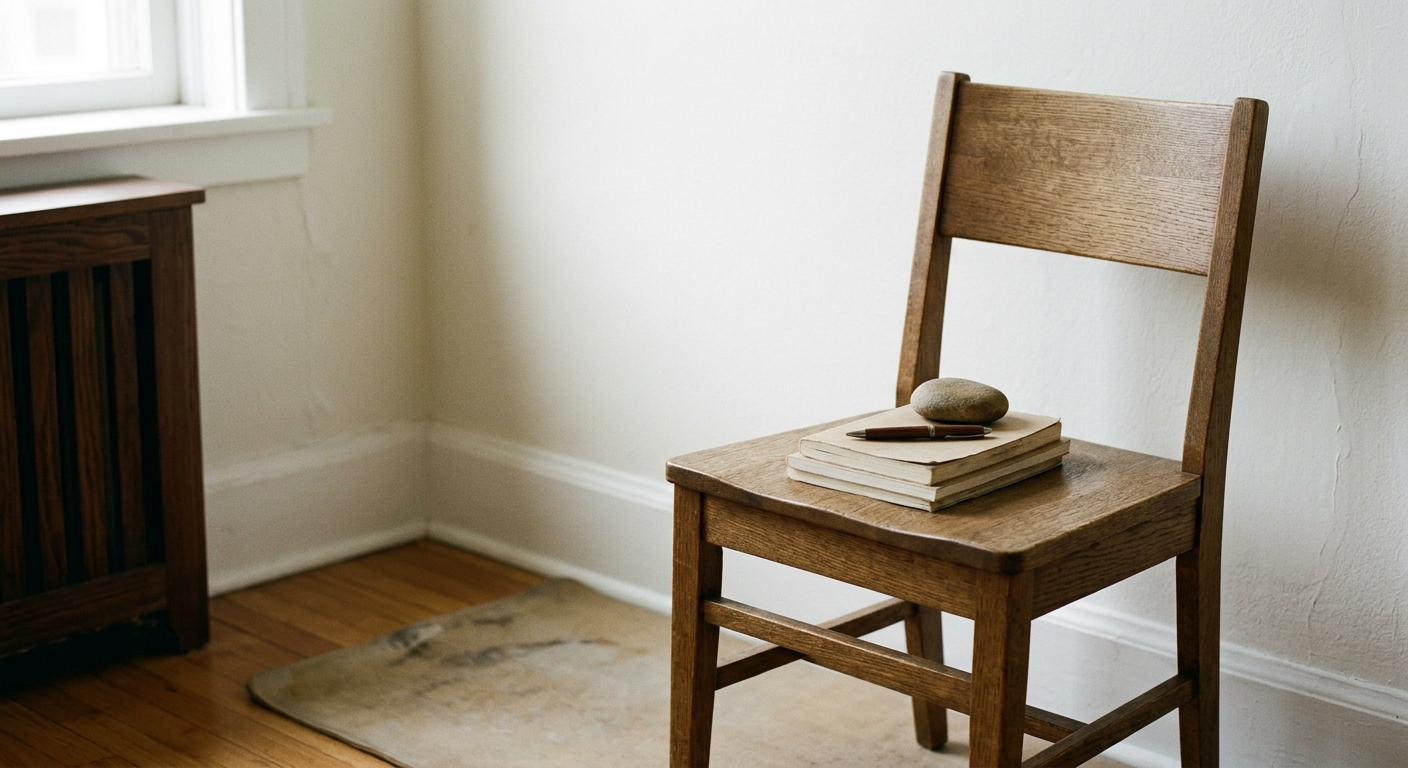
The practical stuff is easier than the emotional prep. Most sober living homes come furnished with beds, dressers, and common area seating. You'll need your clothes, toiletries, any prescribed medications, and personal items that make a space feel like yours. A few photos. Your favorite pillow. Maybe a journal.
What you can't pack is patience with yourself.
The first week in sober living can feel like a lot: new house, new rules, new people. You're coming from the structured intensity of treatment into something that moves at a different rhythm. Mile High Sober Living describes this first week as focused on adjusting to house rules, meeting your house manager and current residents, and establishing daily routines, including house meetings and household chores.
Your brain might resist the slower pace. That's normal. You've been in crisis mode, then treatment mode. Now you're in living mode, which feels strange when you're used to every hour being scheduled.
Mentally, prepare for the adjustment to feel bumpy. You're not just learning house rules; you're learning how to live again without substances. According to the Journal of Psychoactive Drugs, 38.6% of entering residents reported no substance use in the 30 days prior to sober living house entry. The structure helps, but it takes time to feel like home.
The hardest part isn't the chores or the meetings. It's trusting that this slower pace is actually helping you heal.
How Does Staying Beyond Your First Week Impact Your Long-Term Success?
The difference between staying six months versus six weeks can determine whether you maintain sobriety long-term, with success rates jumping from below 50% to 70-80%.
Your first week sets the trajectory. Not because of some magical transformation, but because it's when you decide whether you're willing to do the uncomfortable work of staying.
The numbers tell a clear story. Ikon Recovery Center's 2023 metrics show that residents who stay less than six months have below a 50% success rate in maintaining sobriety. Push through to six months or more? That jumps to 70-80%. Stay a full year, and you're looking at 85% or higher.
Most people don't realize how common early departure is. Research from the NIH found that about 31% of residents leave by their sixth week. That first month and a half is when the novelty wears off and the real work begins.
Here's what happens when you commit beyond that first week: You stop thinking about leaving every time something feels hard. The house rules become routine instead of restrictions. Your roommates become people you actually know, not just strangers you're avoiding in the kitchen.
The median stay across programs is around five months, with most residents staying between 166-254 days, according to a Journal of Psychoactive Drugs study reported by American Addiction Centers. That's not arbitrary. Research consistently shows you need at least 90 days in structured recovery support for lasting effectiveness.
Your first week is really about one decision: Am I willing to stay long enough for this to work? The residents who answer yes are the ones still sober a year later.
Sources
- Vanderburgh House, blog post Why the First 30 Days in Sober Living Are Crucial for Recovery
- Vista Research Group
- Ikon Recovery Center, 2023 metrics report
- Boise Sober Living / Phoenix House data, program retention analysis
- Journal of Psychoactive Drugs study, reported by American Addiction Centers
- Mile High Sober Living, blog post Living in a Sober House: What To Expect in the First 30 Days
- The Sober Pad, blog post Your First Week in Sober Living: What to Expect
- Vanderburgh Communities
- The Hope Inc.
- PMC - NIH
- Journal of Psychoactive Drugs: Outcomes Among Sober Living House Residents Who Relapse, 2023
- PMC / NIH study: Understanding Length of Stay in Recovery Homes
- Recovery First, citing multiple studies
Note: This article is for informational purposes only and does not constitute legal advice. Consult a qualified attorney for guidance specific to your situation.

Cara writes for the people sober living is actually built for: individuals in recovery and the families supporting them. Her background is in community health, and she covers what the process actually looks like from the other side of the front door. Based in Austin.
View all articles →Right-Fit Finder
Answer 6 questions and get a personalized recommendation for the type of sober living home that fits your needs and budget.
Find your fit →