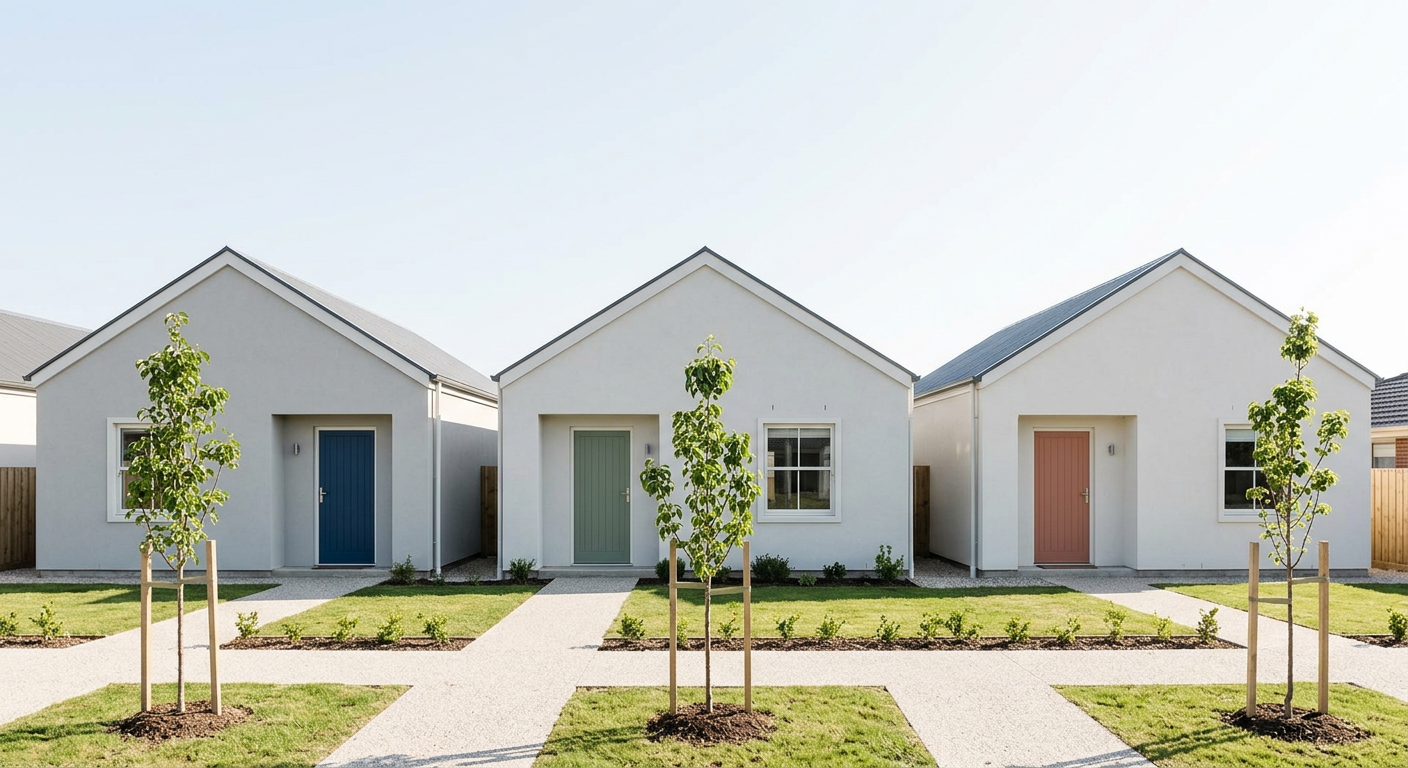
National Survey Finds Sober Living Satisfaction at All-Time High

What do the latest satisfaction surveys reveal about sober living?
Recent data shows sober living satisfaction reaching record highs. According to research funded by the National Institute on Alcohol Abuse and Alcoholism, abstinence rates jump from 11% at entry to 68% at six months, with search interest in recovery housing surging dramatically in recent years.
The numbers tell a clear story. Recovery.com's 2025 State of Recovery Report found that people searching for sober living increased 101% from 2023 to 2024. That's not just growth. That's desperation meeting hope.
What's driving the surge? Results that stick. Research by Polcin and colleagues in the Journal of Psychoactive Drugs shows abstinence rates don't just improve during stays-they stay higher than baseline at 18 months. Employment rates climb within the first year, while arrests and legal troubles drop after six months.
The sweet spot appears to be six months minimum. A California study of 455 residents found the biggest benefits came from stays of at least six months, according to research published in the American Journal of Drug and Alcohol Abuse. That's long enough to build new habits. Long enough for the brain to rewire.
Even overdose deaths nationwide have started declining after years of increases, per the American Medical Association's 2025 report on substance use and treatment progress. Recovery residences are becoming what Recovery.com calls "important sanctuaries, bridging the gap between intensive treatment and everyday life."
The satisfaction isn't just about staying sober. It's about having choices again in early recovery.
Sources
- Polcin et al., 2010, Journal of Psychoactive Drugs, funded by NIAAA
- Recovery.com, 2025 State of Recovery Report
- Subbaraman et al., 2023, American Journal of Drug and Alcohol Abuse
- American Medical Association's 2025 report on substance use and treatment progress, cited in Porch Light Recovery 2025 National Report
- Recovery.com 2025 State of Recovery Report
Cara writes for the people sober living is actually built for: individuals in recovery and the families supporting them. Her background is in community health, and she covers what the process actually looks like from the other side of the front door. Based in Austin.
View all articles →House Rules Builder
New regulations mean updated house rules. Build compliant, professional rules for your home in minutes.
Build your house rules →