Lease vs. Buy: The Financial Case for Each Sober Living Property Strategy
Operators face fundamentally different capital requirements, cash flow patterns, and long-term wealth outcomes when leasing versus purchasing sober living properties.

What are the actual upfront capital requirements to lease versus buy a sober living home?
Leasing requires $22,000-$68,000 in startup capital according to Sobriety Hub, while purchasing demands $79,500-$258,000+ from the same source, with the down payment alone accounting for most of the difference.
The numbers show a clear divide. Leasing gets you operational faster because the capital barrier sits much lower. Your initial cash breaks down into predictable chunks: security deposits and closing costs of $5,000-$15,000, renovation and conversion work at $3,000-$10,000, plus furnishings and supplies running $5,000-$15,000. Tack on licensing fees of $500-$2,000 and annual insurance of $2,000-$8,000. You're at the lower end of that startup range, according to Sobriety Hub.
Purchase scenarios multiply every line item. The down payment alone runs $50,000-$150,000+ before you touch renovation costs, which jump to $10,000-$50,000 for purchased properties, Sobriety Hub reports. Same furnishing costs. Same licensing. Same insurance. But now you're carrying mortgage payments instead of rent. The renovation budget reflects the reality that you're investing in long-term value rather than making minimal changes to someone else's property.
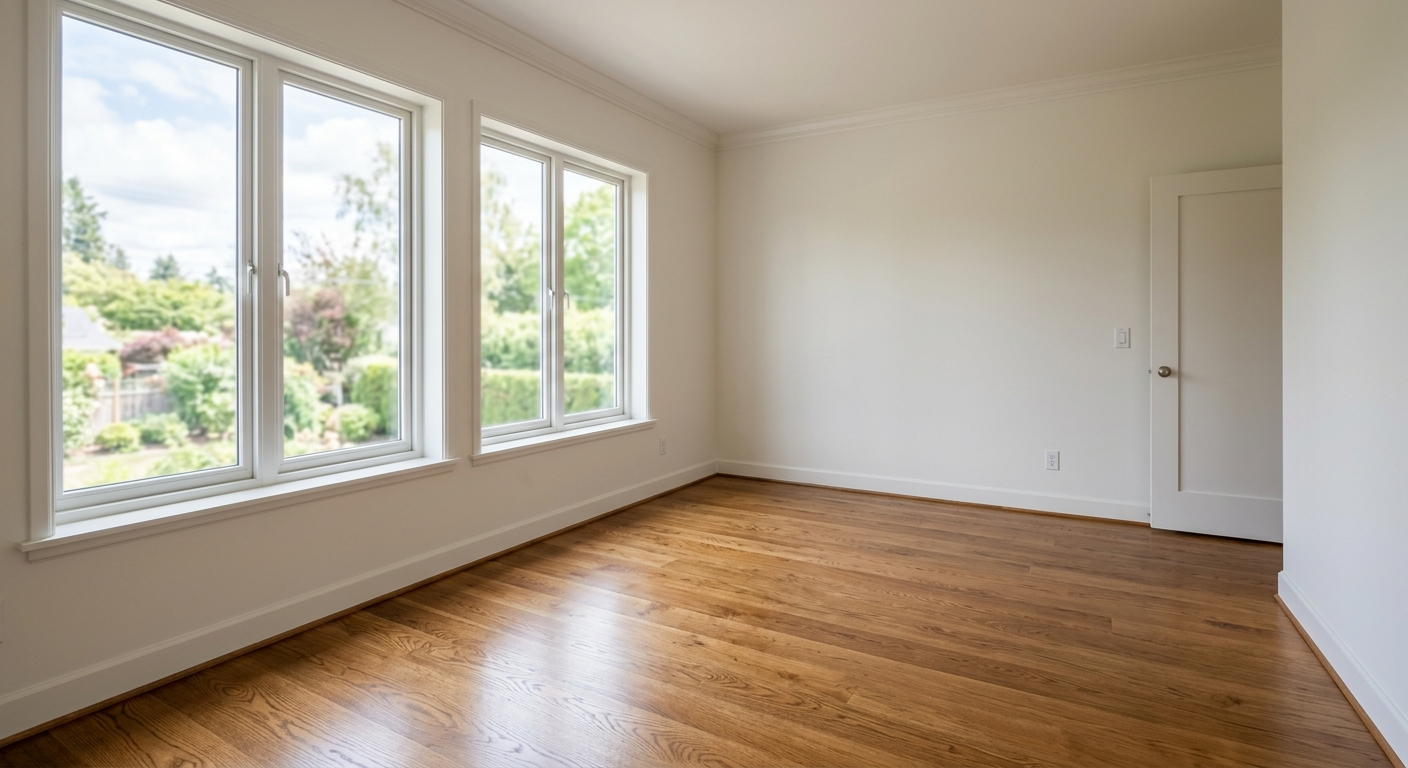
For example, a six-bed suburban property might require security deposits within the $5,000-$15,000 range, basic renovations at $3,000-$10,000, and furnishings at $5,000-$15,000, totaling approximately $13,000-$40,000 in upfront costs according to Sobriety Hub. That same property purchased would demand a down payment within the $50,000-$150,000+ range plus renovations at $10,000-$50,000 according to Sobriety Hub, with identical furnishing costs.
The time-to-cash-flow advantage favors leasing. Lower barriers mean faster market entry, but they also mean you're building someone else's equity while paying above-market rent structured as triple-net leases where you cover taxes, insurance, and maintenance.
How do monthly operating expenses differ between leasing and owning a sober living property?
When you lease, you're typically signing a triple net lease where you pay rent plus property taxes, insurance, and maintenance - meaning your monthly expenses are largely predictable but entirely your responsibility.
The triple net structure changes how you think about monthly cash flow. Under this arrangement, which dominates sober living leases, you're not just paying rent to a landlord who handles everything else. You're paying rent plus taking on property taxes, insurance premiums, and all maintenance costs. This creates expense predictability in some areas while adding volatility in others.
Here's the math on a typical lease scenario. Your base rent sits above standard market rates due to multi-tenant occupancy, often with a buffer of several hundred dollars above comparable single-family rentals. Property taxes and insurance add another layer. Insurance alone runs $2,000 to $8,000 annually. Maintenance becomes your problem entirely.
When you own the property, the expense structure flips completely. No monthly rent payment. But property taxes, insurance, and maintenance remain your responsibility, plus mortgage payments, HOA fees if applicable, and the full cost of major repairs or improvements. You control timing and quality of maintenance decisions, but you also eat the financial impact of every broken HVAC system or roof repair.
Lease terms typically run three to four years, with rent increases kept minimal to maintain operational stability. This creates a planning horizon where you can model expenses with reasonable accuracy. Ownership eliminates rent escalation risk entirely but introduces mortgage rate risk, property tax assessment changes, and the unpredictable timing of major capital expenditures.
The basic trade-off: leasing converts property costs into predictable monthly expenses you can budget around, while ownership eliminates the largest monthly expense but makes you responsible for every dollar of property-related costs over time.
What is the long-term wealth-building potential of buying versus leasing a sober living property?
Buying builds equity through mortgage paydown and property appreciation over decades, while leasing generates zero ownership stake regardless of profitability or tenure.
The math of wealth accumulation diverges after year three. When you lease, every monthly payment to your landlord represents pure expense. Operational cost with no residual value. Your startup investment generates cash flow but creates no asset base. Walk away after a successful decade, and you leave with nothing but memories.
Property ownership changes this equation completely. Your down payment purchases an asset that generates income while building equity through two mechanisms: mortgage principal reduction and market appreciation. Each monthly mortgage payment converts a portion of your cash flow into ownership stake.
For example, a purchased property with startup costs in the $79,500-$258,000+ range according to Sobriety Hub might involve a down payment of $50,000-$150,000+ and renovation costs of $10,000-$50,000, with the remainder covering licensing, insurance, and operating cushion.
The exit strategy difference proves equally stark. Owned properties offer multiple liquidity options: sale to another operator, conversion back to residential rental, or refinancing for expansion capital. Leased operations terminate at lease expiration, typically after three to four years. Your business goodwill, resident relationships, and operational systems hold no transferable value when the lease ends.
Property appreciation compounds this advantage in markets where recovery housing demand remains strong. Real estate historically appreciates at rates exceeding inflation, while lease payments represent pure consumption of capital.
How do lease terms and flexibility constraints affect operator decision-making?
Lease terms typically run 2-5 years, creating operational uncertainty that ownership eliminates entirely-but the flexibility trade-offs extend far beyond simple contract duration.
The standard lease structure for sober living operations locks operators into 3-4 year commitments with minimal rent increases to maintain stability. That sounds reasonable until you consider what happens at renewal. Landlords hold complete discretion over whether to extend, renegotiate terms, or terminate entirely. No guarantee exists.
Ownership removes this uncertainty completely. Your operational timeline becomes indefinite rather than contractual. You control renovations, occupancy limits, and program modifications without landlord approval. The constraint disappears.
But lease flexibility works both directions. Say you lease a property in a market that deteriorates. Zoning changes, neighborhood decline, regulatory shifts that make operations unviable. You can exit at lease expiration without the complexity of property disposal. Owners face a more complicated extraction process when markets turn unfavorable.
Triple net lease structures shift property taxes, insurance, and maintenance costs to operators regardless of ownership status, but lease agreements often include additional restrictions that ownership avoids. Landlords frequently limit occupancy numbers, restrict structural modifications, and require approval for operational changes that could affect property value or neighborhood relations.
The renovation constraint proves particularly significant. Leased properties limit conversion costs because extensive modifications risk landlord disputes or lease violations. Purchased properties allow substantially more renovation investment because you control the asset completely.
Consider the timeline pressure. Lease renewals create forced decision points every few years. Renegotiate, relocate, or exit the market entirely. Ownership eliminates these artificial deadlines. Your operational decisions become purely business-driven rather than contract-driven.
The control difference determines which operators choose which path. Those prioritizing operational flexibility and long-term program development typically purchase. Those prioritizing capital efficiency and market mobility typically lease.
Which strategy delivers better cash flow for operators in different market conditions?
Leasing delivers superior cash flow in the first 24 months, but purchasing becomes more profitable once occupancy stabilizes and property appreciation compounds the returns.
The monthly cash flow equation shifts based on your startup capital and market positioning. Leasing requires lower upfront investment, while purchasing demands substantially more capital. That difference translates to immediate cash flow advantages for leased operations.
Consider a 6-bed suburban property generating $125-$300 weekly per resident according to Semiretired MD. At typical occupancy rates with $200 weekly rates, you would collect approximately $5,100 monthly. Under a lease structure, your rent payment to the landlord typically exceeds standard market rates but remains fixed. Triple net lease terms mean you're covering property taxes, insurance, and maintenance on top of base rent.
Purchased properties flip this equation after year two. Your mortgage payment replaces rent, but you're building equity while collecting the same resident fees. The substantial down payment creates a cash flow drag initially, but property appreciation and principal paydown generate wealth that leasing can't match.
Market volatility affects each model differently. Leased operators face rent increases every few years, though landlords typically keep increases minimal to maintain stability. Purchased properties lock your housing costs, providing inflation protection as resident fees rise with market rates.
Break-even analysis suggests leasing wins on speed to market and capital efficiency in the short term, while purchasing wins on long-term wealth building and cost control.
Note: This article is for informational purposes only and does not constitute legal advice. Consult a qualified attorney for guidance specific to your situation.

Nolan tracks the numbers behind the sober living industry: pricing trends, market dynamics, and the data that most operators never see. He came to recovery housing from real estate analytics and hasn't looked back. Based in New York.
View all articles →Profit Leak Calculator
Run the numbers on your operation. See exactly where revenue is leaking and get a free ROI spreadsheet.
Run your financial audit →