How to Start a Sober Living Home: The Complete Operator's Playbook
A step-by-step guide to launching a profitable recovery housing operation, from financial planning to regulatory compliance.

What are the true startup costs for opening a sober living home?
The real number depends on one decision: lease or buy. Most operators can start with a leased 4-bedroom home for under $40,000 all-in, while purchasing pushes costs to $80,000-$260,000 or more.
Twenty-two thousand dollars. That's a decent used truck. It's also the floor for opening a sober living home if you lease instead of buy, according to Sobriety Hub. But that floor comes with a ceiling most operators don't see coming.
The math splits clean down the middle. Sobriety Hub reports leased properties run $22,000-$68,000 to open. Purchased properties? You're looking at $80,000-$260,000 or more. The gap isn't just about down payments. It's about everything that comes after.
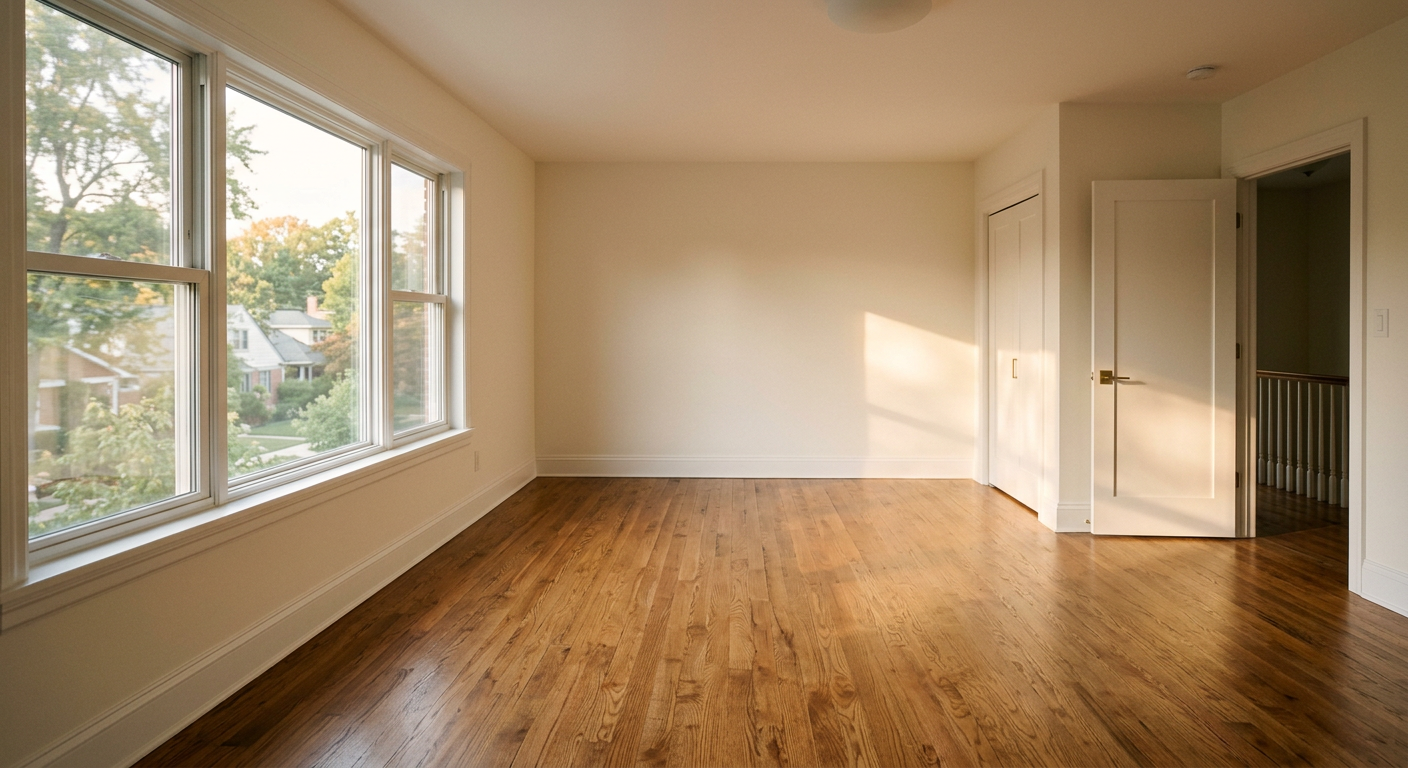
Here's where the hidden costs live. Renovations alone range from $3,000-$10,000 for leased properties but jump to $10,000-$50,000 when you own. Landlords limit what you can change. Owners face no such restrictions.
Safety upgrades tell the same story. In Texas, these can run anywhere from zero to $40,000 or more, according to Vanderburgh House. Zero if you're lucky enough to find a property that already meets code. Forty thousand if you need fire suppression systems, emergency exits, or structural changes that only come with ownership.
The furnishing bill hits everyone the same. Expect $5,000-$15,000 whether you lease or buy. Beds, dressers, common area furniture, kitchen supplies. This number doesn't vary much by market because residents need the same things everywhere.
Geography matters for everything else. Vanderburgh House reports Austin operators see total startup costs of $30,000-$75,000. According to Vanderburgh House, California runs $20,000-$45,000 for leased properties but jumps to $75,000-$200,000 or more for owned properties. The difference isn't just real estate prices. It's licensing, permits, and local requirements that vary by state.
Say you lease a 6-bed in suburban Austin. Security deposit and first month run $6,000-$50,000. Renovations add another $2,000-$50,000. Furnishings cost $5,000-$25,000. You're looking at a range so wide it's almost meaningless without knowing the specific property.
That's the real problem with startup cost estimates. They assume you know what you're buying. Most first-time operators don't. They see the low end of the range and budget accordingly. Then reality hits.
The licensing fees are the easy part. Most states charge $500-$2,000, per Sobriety Hub. Texas keeps it simple with a $300 LLC filing fee and no statewide licensing requirements. Simple doesn't mean cheap when you factor in everything else.
The operators who survive their first year? They budget for the high end of every range. In sober living, the hidden costs aren't hidden. They're just waiting.
How do you navigate licensing and regulatory requirements?
The regulatory maze varies by state - some require extensive licensing and inspections, while others like Texas have no statewide requirements at all, leaving operators to navigate local zoning and health codes instead.
I walked into my first city planning meeting in Fort Worth carrying a folder thick with research. Wrong move. The zoning officer looked at my paperwork for thirty seconds and said, "You're running a boarding house. That's conditional use." Three months and four hearings later, I had my permit.
Texas makes this deceptively simple. No statewide licensing. No recovery housing department breathing down your neck. Don't mistake simple for easy. Local ordinances still apply for zoning, land use, and fair housing laws, according to Vanderburgh House. Every city writes its own rules.
The accreditation question hits different now. House Bill 299 made accreditation voluntary for recovery houses, but here's the catch: you'll need it to receive state funding starting September 2025, according to the Texas Tribune. The approved accreditors are National Alliance for Recovery Residences (NARR), Oxford House, and Texas Recovery Oriented Housing Network. NARR certification typically involves a 4-6 month process with site visits, policy reviews, and resident interviews.
Start your NARR application early. The certification process takes 4-6 months, and you can't begin until your house is operational with residents.
California operators face a different beast entirely. The state doesn't license sober living homes directly, but local jurisdictions can require conditional use permits, business licenses, and regular inspections. Los Angeles County demands a Substance Abuse Housing permit. Orange County requires zoning compliance letters. Each jurisdiction invents its own hoops.
Fire safety inspections hit every operator eventually. The fire marshal shows up with a clipboard and starts counting exits, testing smoke detectors, checking occupancy limits. Safety upgrades can cost nothing or $40,000. Depends what they find. I've seen operators forced to install commercial-grade fire suppression systems in houses that looked perfectly safe.
Health department visits focus on different details. Kitchen sanitation. Bathroom ratios. Sleeping arrangements. They're looking for overcrowding, unsanitary conditions, anything that violates housing codes. Most inspections result in minor fixes: new smoke detector batteries, a second bathroom exhaust fan, updated first aid supplies.
The documentation timeline matters more than most operators realize. Licensing and certification fees range from $500 to $2,000, but the real cost is time. Submit applications early. Schedule inspections before you need them. The city doesn't care about your opening date.
Business entity formation stays straightforward. Texas LLC filing costs $300. Most states charge similar fees. File your Certificate of Formation, get your EIN, open business banking. The paperwork takes a week. The permits take months.

What property type and location strategy maximizes occupancy?
Single-family homes in suburban neighborhoods with 4-6 bedrooms offer the best balance of startup costs, regulatory flexibility, and resident appeal for new operators.
The house on Maple Street looked perfect. Four bedrooms, two baths, quiet cul-de-sac in a middle-class suburb of Dallas. The kind of place where residents could rebuild their lives without feeling institutionalized.
Most operators start here. Wrong.
They start by falling in love with a property before understanding the math. The smart play is working backwards from your budget and market demand.
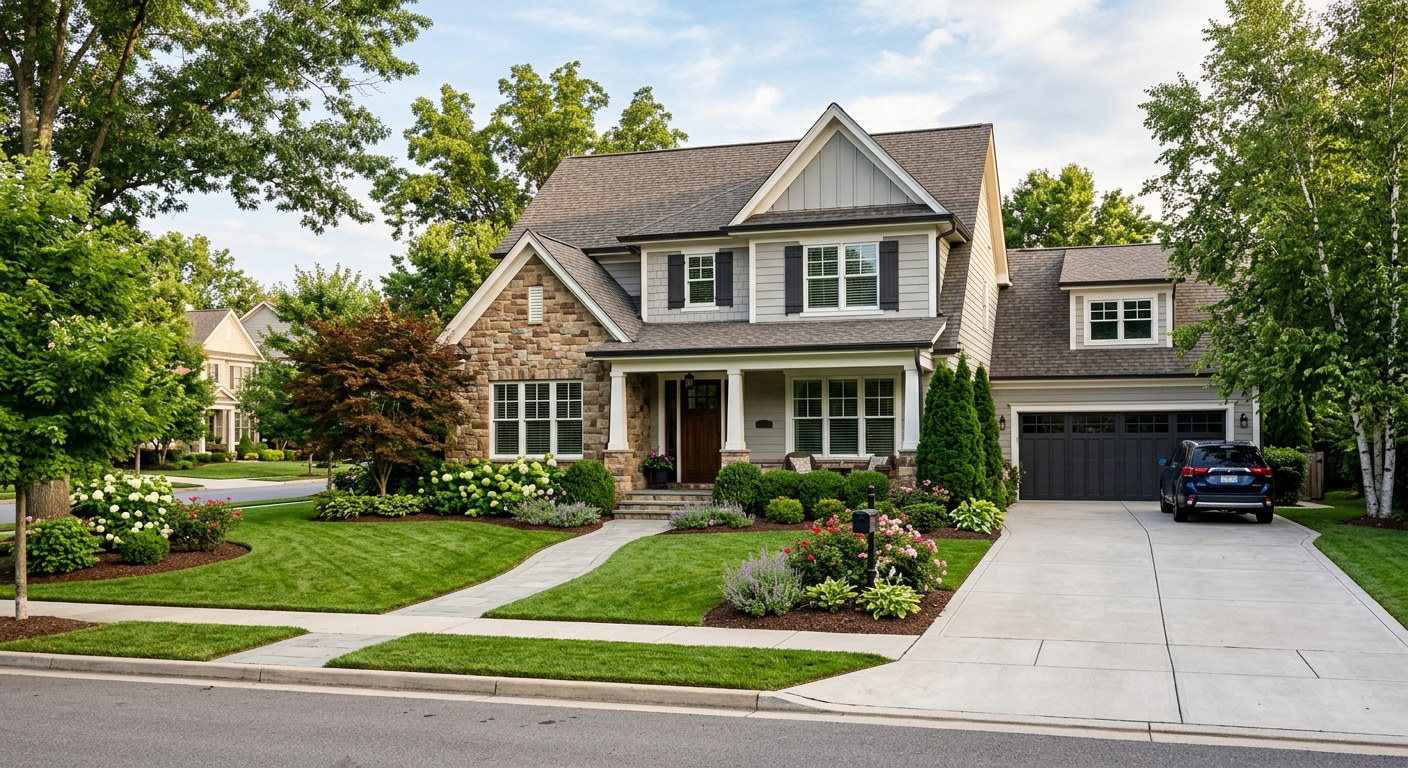
Single-family homes dominate this industry for good reason. They feel like homes, not facilities. Residents stay longer when they're not stacked in converted office buildings or crammed into repurposed motels. Size matters more than you think.
The sweet spot is 4-6 beds. Most operators can start with a leased 4-bedroom home for under $40,000 all-in. Scale up from there. An 8-bed house doesn't generate twice the profit of a 4-bed. It generates twice the headaches.
Here's why: regulatory exemptions. Many states exempt homes with 6 or fewer residents from commercial licensing requirements. Cross that threshold and you're dealing with fire codes, ADA compliance, and commercial insurance rates that can double your overhead.
Location drives everything else. You need three things within a 10-mile radius: treatment centers, employment opportunities, and public transportation. Residents come from treatment. They need jobs to pay rent. They need buses when their licenses are suspended.
The math changes by market. In Arlington, Texas, monthly fees run $600-$900 per resident. A 6-bed house generating $4,200 monthly can cover a $2,200 lease payment and still leave room for profit. That same house in rural Oklahoma might only command $400 per bed.
Avoid these property types entirely: converted commercial spaces, multi-unit buildings, and anything requiring major structural changes. Commercial conversions trigger zoning battles you can't win. Multi-unit properties create resident conflicts when someone relapses at 2 AM and wakes the entire building.
The renovation trap catches everyone. You walk through a fixer-upper thinking you'll save money. Renovation costs for leased properties run $3,000-$10,000. For owned properties, that jumps to $10,000-$50,000. Every wall you move, every bathroom you add, every permit you pull extends your timeline and burns cash.
Start simple. Lease a move-in ready single-family home. Four bedrooms minimum, six maximum. Suburban neighborhood with good schools. That signals stability to residents and neighbors alike. Close to treatment centers and job opportunities.
The house on Maple Street? It worked. Only because the operator ran the numbers first, confirmed the zoning, and verified three treatment centers within driving distance. The property didn't make the business successful. The strategy did.
How should you structure pricing and revenue models?
Monthly resident fees range from $600-$900 per bed in most markets, but your real revenue model depends on occupancy rates, not advertised prices.
You're not running a hotel. Empty beds don't pay rent.
Most operators obsess over setting the perfect monthly rate. They research competitors, analyze local markets, build elaborate pricing matrices. Then reality hits: a 6-bed house at 67% occupancy makes less than a 4-bed at 90% occupancy, regardless of your per-bed rate.
Start with your break-even math. Say you lease a house in Arlington, Texas for $2,200 monthly. Add utilities, insurance, house manager salary, and operating costs. You're looking at $4,500 in fixed expenses before profit. At $750 per resident, you need six full beds to clear $500 monthly. Six beds at 83% occupancy (five residents) puts you $250 in the red.
The math changes when you factor in turnover. New residents don't pay on day one. They interview, get approved, move in mid-month. Your "full" house runs 85% occupancy on a good year. Budget for that reality, not the fantasy of 100% occupancy.
Beyond resident fees, three revenue streams separate profitable operators from struggling ones. Insurance billing works if you offer clinical services, but triggers different regulations. Government contracts provide steady income. Texas requires accreditation for state funding starting September 2025, per the Texas Tribune. Private pay remains the backbone for most operators.
Price 15% below market rate for your first six months. Full beds beat premium pricing when you're building reputation.
Your pricing model should reflect your actual costs, not your aspirations. Startup costs range from $22,000-$68,000 for leased properties, but monthly operating expenses determine long-term viability. A house that costs $40,000 to open but loses $300 monthly will bankrupt you faster than a $60,000 startup that profits $800 monthly.
The break-even timeline for new operators runs 6-12 months if you price correctly and maintain occupancy. Price too high and you'll spend months filling beds. Price too low and you'll fill beds but never turn a profit.
Most operators break even when they hit 75% occupancy at market rates. Everything above that becomes profit. If you can maintain it.
What operational systems and staffing do you need from day one?
You need three things: someone to manage the house, systems to track residents, and partnerships that keep beds filled.
The house manager question hits first. Full-time or contract?
Most operators start with a live-in house manager. Someone in recovery themselves, usually 2-3 years sober, who gets free rent in exchange for being the daily presence. They handle check-ins, enforce house rules, and call you when things go sideways at 2 AM.
The math works. A live-in manager costs you one bed of revenue, maybe $700 monthly in Arlington. A full-time salary would run double that, plus benefits you can't afford yet.
Here's the catch: your house manager becomes your single point of failure. They relapse, they quit, they burn out. Your operation stops. Have a backup plan. Always.
For resident management, you need tracking systems that won't collapse under state inspection. Spreadsheets work until they don't. Most operators graduate to software within six months. Platforms that handle intake forms, drug test results, rent collection, and incident reports.
The intake process determines everything else. You need protocols for screening potential residents: criminal background checks, sobriety verification, treatment center discharge summaries. Document it all. The resident who seemed perfect on the phone but lied about their clean time will teach you this lesson expensively.
Drug testing happens twice weekly minimum. Random schedule. Oral swabs or urine tests. Pick one system and stick to it. The moment you get inconsistent, residents notice. Consistency isn't just policy. It's survival.
Your referral network builds slowly, then suddenly. Start with local treatment centers, detox facilities, and outpatient programs. Introduce yourself. Bring coffee. Leave business cards. These relationships fill beds when your marketing budget runs thin.
Recovery meetings become your unofficial marketing channel. Not to recruit directly. That's tacky and counterproductive. But to build relationships with people who might need housing later, or who know someone who does. Authenticity matters here. Show up because you belong, not because you're hunting for residents.
The partnership that matters most? Your local recovery housing association. They'll teach you the unwritten rules, connect you with experienced operators, and warn you about the mistakes that close houses. Membership fees run minimal compared to the education you'll receive.
Your operational budget for systems and partnerships stays lean initially. Software subscriptions, drug testing supplies, background check services. Budget a few hundred monthly. The expensive part isn't the systems. It's learning to use them before you need them.
The house that runs itself doesn't exist. But the house that runs predictably? That's what these systems create.
How do you build a sustainable resident pipeline?
Building a sustainable resident pipeline requires three pillars: treatment center partnerships, targeted marketing to both residents and referral sources, and retention strategies that keep beds filled long-term.
The phone rang at 11 PM. Another treatment center discharge coordinator looking for a bed. This is how most operators fill their houses. Reactive placement calls from facilities scrambling to discharge clients. It works until it doesn't.
Smart operators flip the script. They build relationships before they need them.
Start with the treatment centers within a 50-mile radius. Not the marketing directors. The discharge planners. These are the people making placement decisions at 2 AM when someone needs to leave detox. Bring coffee. Learn their names. Understand their pain points. They're trying to place 20 people into 5 available beds across the city.
Make their job easier. Respond to referral calls within two hours, not two days. Have your intake paperwork digital and simple. When you say you have a bed available, actually have it ready. Not "available after we clean it and fix the broken window."
Create a simple referral tracking system. Which centers send you residents who stay longest? Double down on those relationships.
Marketing to potential residents requires a different approach entirely. They're not browsing your website at their kitchen table comparing amenities. They're in crisis, often making decisions while still in treatment or immediately after discharge.
Your digital presence needs to answer one question fast: "Can this place help me stay sober?" Skip the stock photos of people meditating on beaches. Show the actual house. List your house rules clearly. Include testimonials from residents who completed the program, not just entered it.
Google My Business matters more than your website. When someone searches "sober living near me" at midnight, your listing needs to show up with current photos, accurate contact information, and recent reviews. Respond to every review, positive or negative.
Filling beds is only half the equation. Keeping them filled requires retention strategies that most operators ignore until they're staring at 40% occupancy.
The first 30 days determine everything. New residents who don't connect with the house culture or other residents leave quickly. Create structured onboarding. Not just a house tour and a copy of the rules. Pair new residents with someone who's been there six months. Schedule weekly check-ins for the first month.
Track your turnover patterns. Are residents leaving after 90 days? That's often when insurance benefits end and they face the full cost. Are they leaving after six months? That might indicate they've outgrown what you offer and need more independence.
The math is brutal but simple. A 6-bed house losing one resident every two months operates at 83% occupancy. Extend average stays from four months to six months, and you're suddenly at 92% occupancy with the same referral volume.
Your pipeline isn't just about getting residents in the door. It's about creating an environment where they want to stay long enough to build the foundation they need. That's what keeps the beds filled and the lights on.
What financial projections should you model before launch?
Build three scenarios: conservative (70% occupancy), realistic (85% occupancy), and optimistic (95% occupancy) over 12 months, then model cash flow gaps for your first six months when beds fill slowly.
The spreadsheet that matters isn't your startup costs. It's your cash flow projection for months 2 through 8.
Most operators model best-case scenarios. Full occupancy by month two. No resident turnover. Perfect collections. That's fantasy math. The real world runs on 70% occupancy for your first year, residents who leave owing money, and unexpected repairs that hit your bank account like a sledgehammer.
Start with your baseline numbers. Leased properties require $22,000-$68,000 upfront. Purchased properties push that to $80,000-$260,000. Those are just entry fees. Your projections need to account for the gap between opening day and profitability.
Here's the math that keeps operators awake at night. Say you lease a 6-bed house in Texas. Security deposit and first month run $6,000-$50,000. Renovations add $2,000-$50,000. Furnishings cost $5,000-$25,000. You're $35,000 deep before resident one walks through the door.
Now model your revenue ramp. Month one: two residents. Month two: four residents. Month three: five residents paying $600-$900 each. You're generating $3,000-$4,500 monthly while carrying $2,200 in rent plus utilities, insurance, and house manager wages. The math doesn't work yet.
Budget for 6-8 months of negative cash flow. Most operators underestimate this gap by 50%.
Your 12-month projection should show three distinct phases. Months 1-3: heavy losses as you fill beds. Months 4-8: breaking even as occupancy stabilizes. Months 9-12: actual profit if you've managed turnover and collections well.
For funding, model multiple sources. Personal capital covers $22,000-$40,000 for most leased starts. SBA loans work for property purchases but take 90-120 days to close. Lines of credit bridge cash flow gaps but cost 8-12% annually. Some operators bring in silent partners for 20-30% equity stakes.
The three-year model tells a different story. Year one: survival. Year two: optimization and maybe a second property. Year three: actual returns if you've built systems that work without you managing every crisis call at 2 AM.
Build your projections in Excel, not your head. Conservative assumptions save businesses. Optimistic assumptions kill them.
Sources
Note: This article is for informational purposes only and does not constitute legal advice. Consult a qualified attorney for guidance specific to your situation.

James covers the business of running sober living homes, from startup costs to the daily grind of keeping beds filled and bills paid. He's spent nearly a decade in recovery housing operations across Texas and California. He writes about what actually works, not what looks good in a business plan. Based in San Diego.
View all articles →Profit Leak Calculator
Find out how much your sober living home is losing to vacancies, admin time, and consumables. Free survival kit included.
Calculate your profit leak →