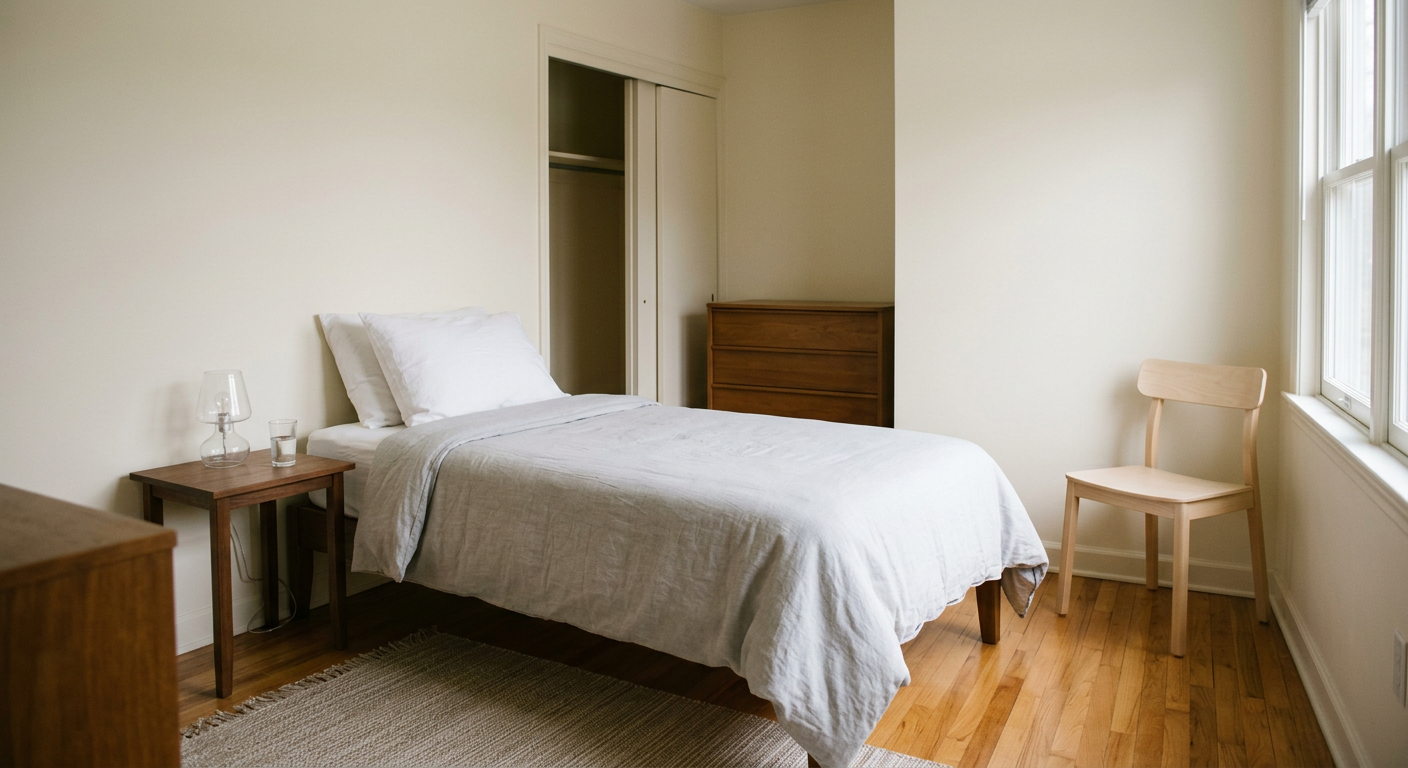
How to Handle a Relapse in Your Sober Living Home
**Document everything immediately, assess the severity, and differentiate your response - research shows treating all substance use the same way undermines recovery outcomes.

James covers the business of running sober living homes, from startup costs to the daily grind of keeping beds filled and bills paid. He's spent nearly a decade in recovery housing operations across Texas and California. He writes about what actually works, not what looks good in a business plan. Based in San Diego.

**Document everything immediately, assess the severity, and differentiate your response - research shows treating all substance use the same way undermines recovery outcomes.

**Strong community culture drives the difference between 11% and 68% abstinence rates, according to Sober Apartment Living. It's not the house.

**According to the Second Chance Guide, most sober living homes don't allow pets, but a growing number of operators are testing selective policies that require residents to prove stability first.

**The NSTARR project has mapped 10,358 recovery residences across America - the first complete database of its kind, revealing massive gaps in quality tracking and geographic coverage.

**Most sober living homes fail because operators underestimate resident turnover. According to the California Sober Living Study, 68-82% of residents leave within 12 months, making cash flow impossible to sustain.
**No. Section 8 vouchers conflict with sobriety requirements that make recovery housing effective.
**Transportation access determines whether residents can maintain jobs, attend meetings, and access healthcare - yet most operators choose locations based on rent, not transit.
**Rotating weekly assignments with clear consequences work better than daily task lists - structure builds the accountability that drives long-term success.

**Call 911 immediately, administer NARCAN if available, then notify staff - in that exact order, according to Blessed Builders Sober Living's policy guidelines. Don't attempt CPR unless you're certified.
**No reliable data exists showing recovery housing operators reporting record occupancy rates in Q1 2026. ** The claim appears to be unsupported by industry sources.

House managers in sober living homes typically receive minimal initial training and little ongoing support. A structured 30-day onboarding plan can establish clear expectations, build competency in core operational areas, and set your managers up for long-term success.

**A national survey of substance use disorder providers found that 67. 8% of residential treatment programs and 52.

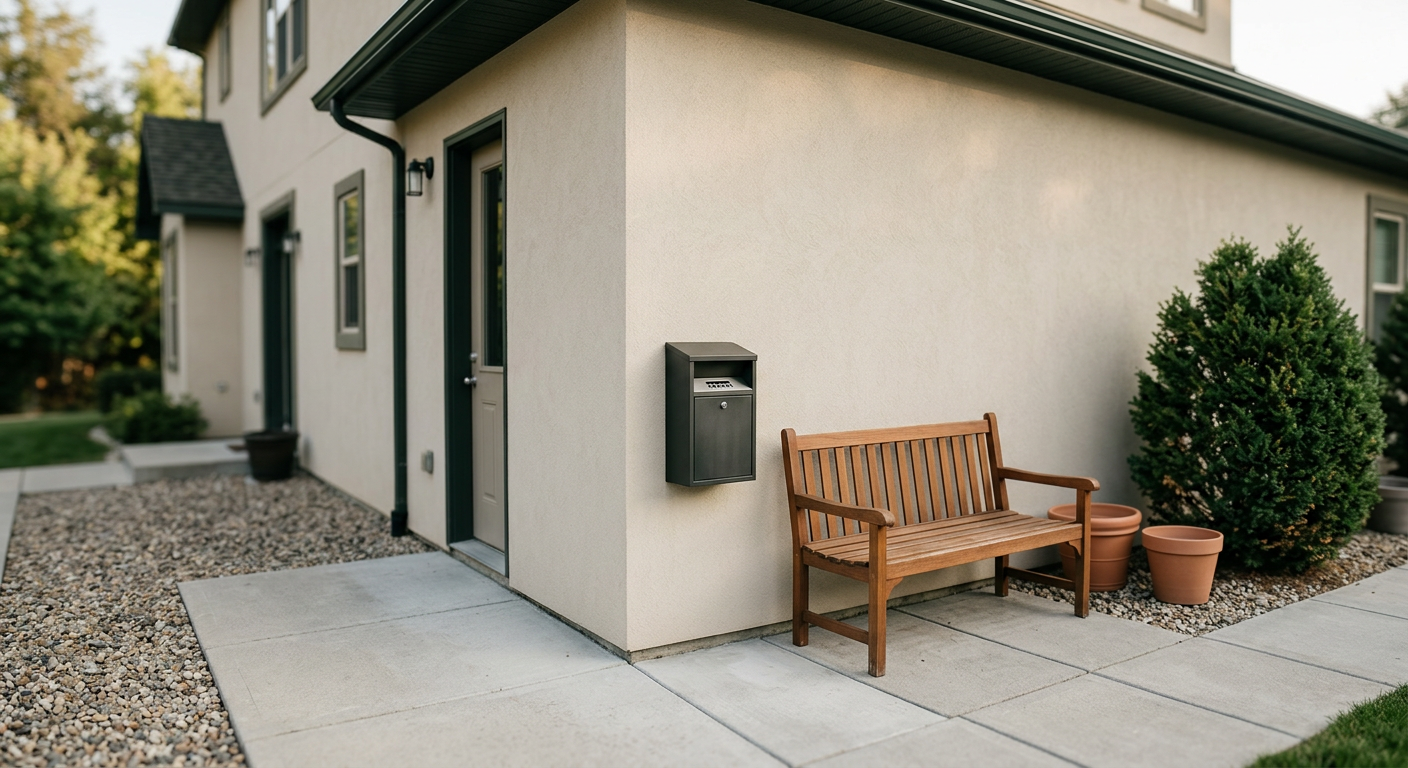
**Most sober living houses cannot legally open residents' mail, but they can supervise the opening process and set clear policies for delivery times and retention periods.

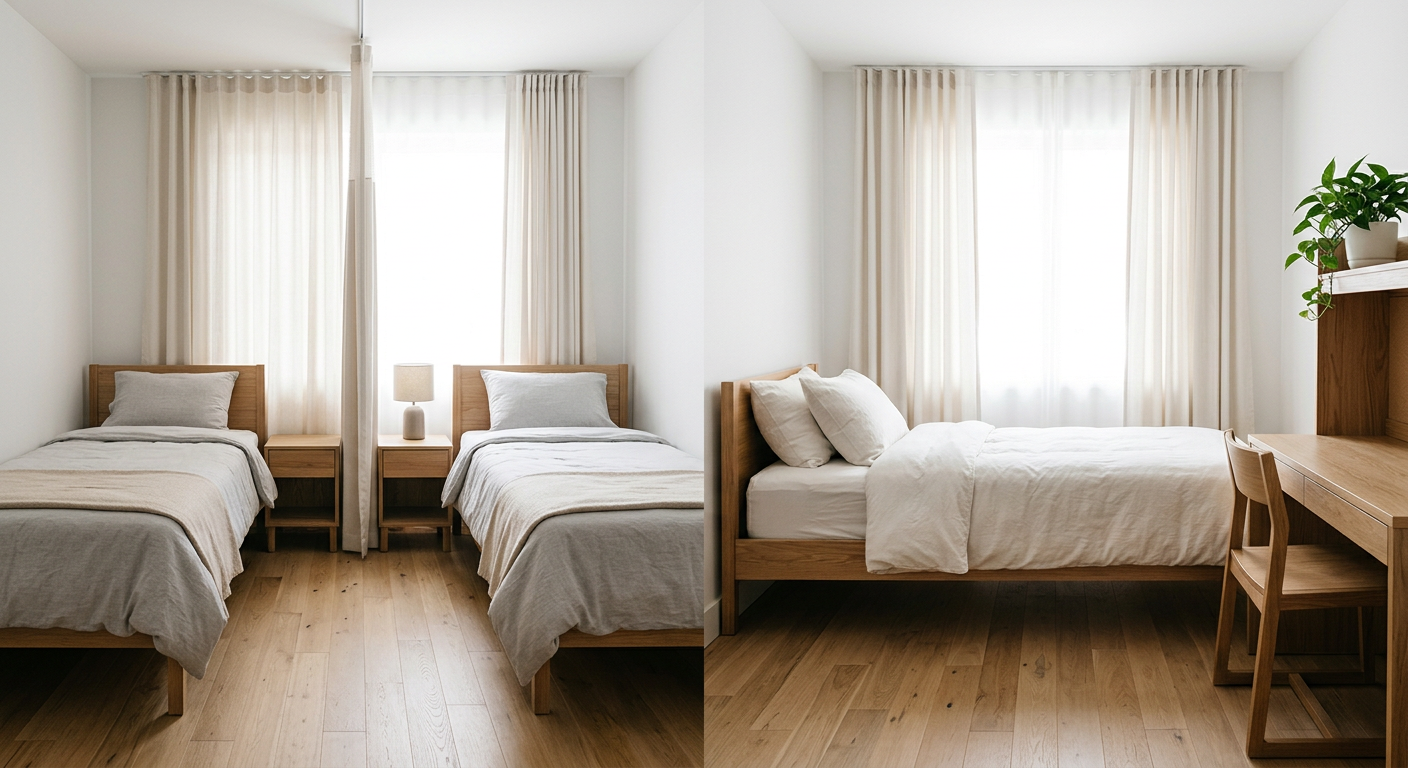
**Shared rooms dominate the sober living market due to affordability and peer support, despite private rooms commanding 40-50% premiums, according to the Marr Inc. Sober Living Cost Guide.
**While winter presents unique challenges and opportunities, the market is driven by year-round demand from treatment centers, courts, employers, and referral networks that support placements throughout the year.

**Most sober living homes set curfews between 8-10 p. m. on weeknights, extending to 11 p.

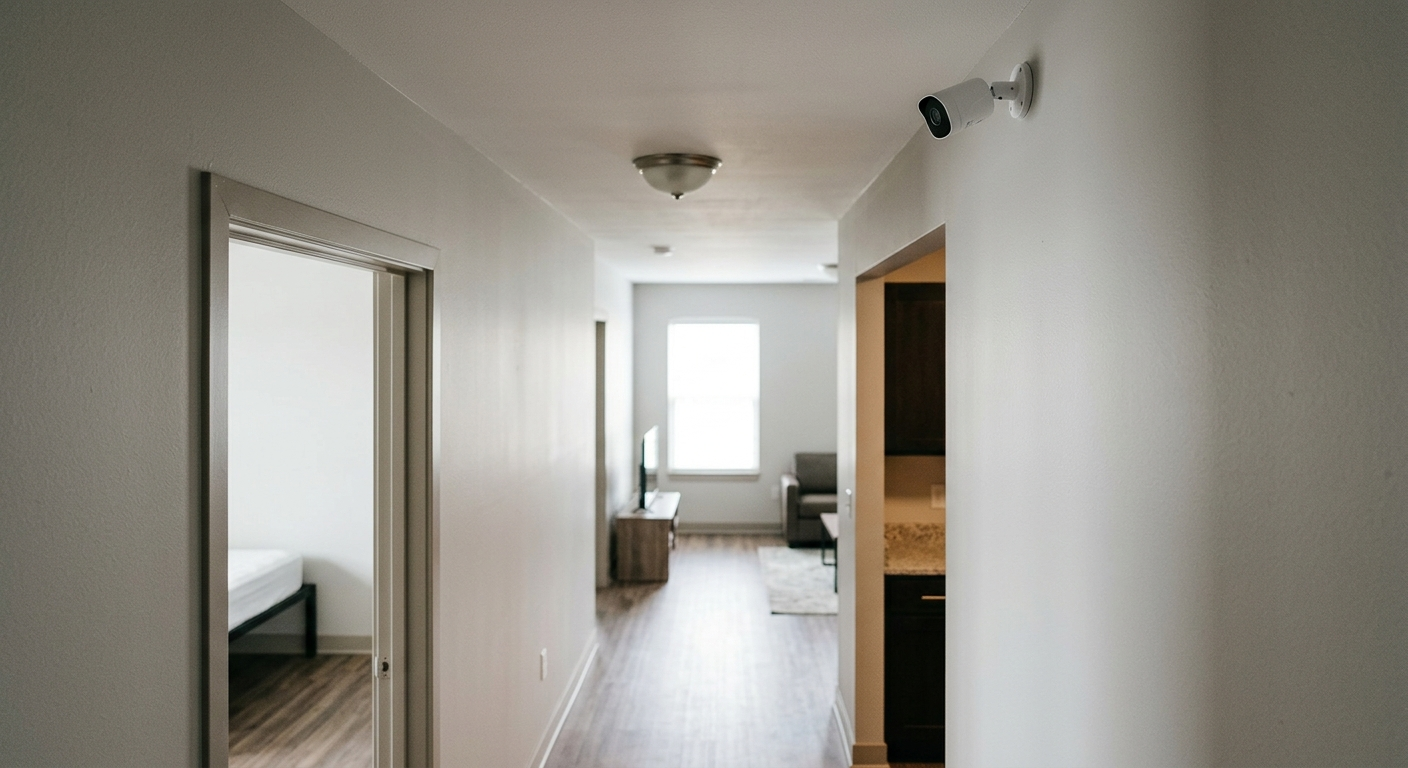
**Cameras are legal in common areas like kitchens and living rooms, but prohibited in bedrooms, bathrooms, and any space where residents have a reasonable expectation of privacy.

**No. Weekend passes undermine the structure and accountability that make sober living effective.
**A bad house manager doesn't just quit - they take residents with them. Research from Harvard T.

**Most recovery residences operate with 10-20 residents, according to Vanderburgh Sober Living, and research shows this sweet spot balances community support with manageable operations.

**Residents expect reliable WiFi, shared spaces that foster community connection, and utilities that support their recovery routine - not luxury, but stability.

Drug testing is a cornerstone of accountability in sober living homes. Learn how to design a testing program that balances resident privacy, legal compliance, and measurable outcomes for your facility.

**Reviews don't just build trust - they directly correlate with the themes that drive referrals. Facilities with positive reviews emphasizing long-term recovery and dedicated staff see the strongest referral patterns.

**Time. Half of all residents leave recovery homes in less than six months, even though research suggests six months appears necessary to solidify a positive recovery trajectory [src-02].

**The average stay in California sober living houses is 169 days, according to a PMC study on California sober living houses - nearly six months and double NIDA's 90-day recommendation.

**Federal opioid settlements are pumping $55-56 billion into recovery infrastructure over 18 years, with states directly funding housing programs that create new demand for sober living operators.
A professional website is critical for sober living operators to showcase their program, build credibility, and generate referrals. This guide covers the key elements every sober living home website needs, from program details to inquiry forms.

Treatment center referrals are a critical pipeline for sober living homes. Learn the relationship-building strategies and operational standards that turn treatment facilities into consistent referral partners.

Sober living operators face intense pressure to fill beds in crowded markets. This guide reveals the occupancy benchmarks that matter, why the first 30 days make or break retention, and the specific tactics that top-performing homes use to stay full.

Pricing a sober living home requires balancing market rates, operational costs, and regional demand. This guide breaks down competitive pricing benchmarks by room type and geography to help operators set rates that attract residents while sustaining profitability.

House meetings are a cornerstone of sober living culture, but many operators struggle with format and facilitation. Learn the proven structure and techniques that drive engagement, accountability, and resident buy-in.
Move-in day sets the tone for a resident's entire recovery journey. Learn the critical onboarding steps operators use to establish expectations, build community, and maximize long-term success rates.
Sober living home operators face a patchwork of state and local fire codes that determine everything from sprinkler system requirements to inspection frequency. This guide breaks down how occupancy classifications drive compliance obligations in key states and what inspections operators should expect.

Creating a structured maintenance schedule is essential for sober living operators to prevent costly repairs, maintain safe living conditions, and reinforce accountability among residents. Learn the key components of an effective maintenance system.

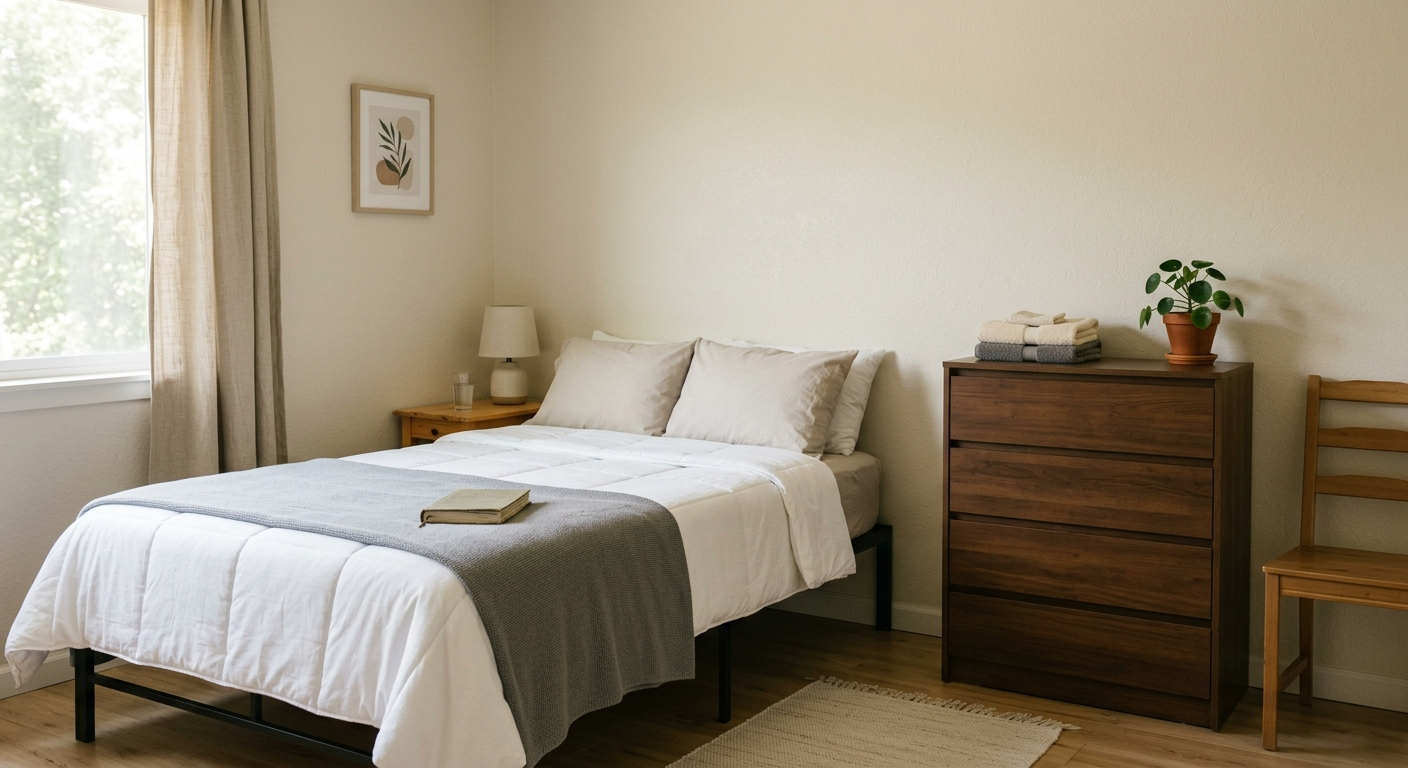
Furnishing a sober living home requires careful budget allocation. Learn how to break down the $5,000–$15,000 startup investment across bedrooms, bathrooms, and common spaces while maintaining quality and compliance standards.

Conflict between residents is inevitable in sober living homes, but operators who implement structured mediation, clear house rules, and peer accountability systems can reduce disputes and improve retention rates.

House rules are only as effective as residents' willingness to follow them. Learn how sober living operators can design and implement rules that reduce relapse, extend stays, and improve outcomes.

Writing a sober living business plan requires more than templates—operators need data-driven financial projections, state-specific licensing requirements, and peer-run operational standards. This guide walks you through the essential sections that lenders and regulators actually review.

Starting a sober living home requires careful financial planning, regulatory navigation, and operational strategy. This playbook walks operators through startup costs, licensing requirements, and revenue models based on real-world data from successful homes.

Sober living homes depend on steady referral streams from treatment centers, but partnerships fail without intentional relationship-building and alignment on patient outcomes. Learn the data-backed strategies that create lasting referral partnerships.

Opening a sober living home requires $22,000–$68,000 for leased properties or $79,500–$258,000+ for purchased facilities. This guide breaks down real startup costs, monthly operating expenses, and resident payment models to help operators understand their financial requirements.

Thorough intake screening is the foundation of successful sober living homes. Learn the evidence-based practices that filter risk, protect residents, and boost long-term sobriety outcomes.

Structured programming—including 12-step meetings, peer accountability, and skill-building activities—directly correlates with abstinence rates up to 68% and extended stays that improve long-term outcomes. This analysis reveals which program elements operators should prioritize to maximize resident success.

Filling beds consistently is the #1 challenge for sober living operators. This guide covers the marketing channels, referral partnerships, and digital strategies that top-performing homes use to reach residents and maintain 80%+ occupancy.

House managers are the backbone of Level II and Level III sober living homes, managing everything from rent collection to crisis response. This handbook covers the 8 essential training topics, daily operational duties, and best practices operators need to equip their staff for success.

Running a successful sober living home requires more than good intentions—it demands structured daily routines, clear accountability systems, and evidence-based practices. Learn the operational strategies that drive 70-80% success rates in resident recovery.