The Complete Guide to Running a Sober Living Home Day-to-Day
Master the operational essentials that keep residents stable, engaged, and on the path to long-term recovery.

How should you structure the daily schedule in a sober living home?
Build your schedule around 6:00-7:30 a.m. wake-ups and 9:00-11:00 p.m. curfews to create the consistent routine that drives 70-80% sobriety success rates for residents staying six months or longer, according to Ikon Recovery Center.
The alarm goes off at 7 a.m. in a Dallas sober living home. Personal hygiene, nurse checks, medicine administration. Breakfast at 8 a.m. Individual therapy from 9-10:30 a.m. Group therapy until noon. This isn't arbitrary scheduling. It's the framework that transforms chaos into recovery.
Most operators think structure means rigid rules. Wrong. Structure means predictable anchors that residents can build their lives around. The morning routine establishes accountability before the day begins. Communal meals foster connection. Evening meetings reinforce community standards.
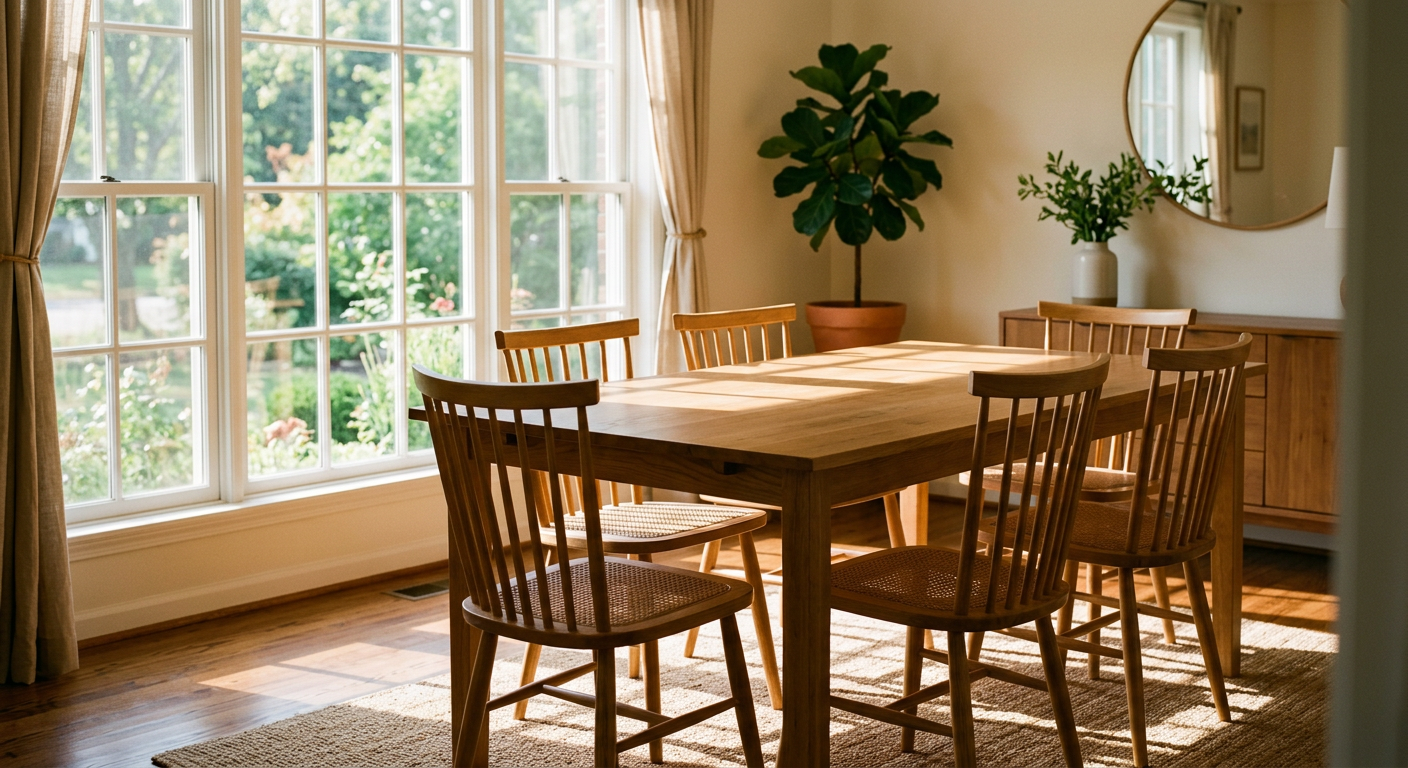
Here's what a working schedule looks like: Wake-up between 6:00-7:30 a.m., per Avenues New York. Breakfast as a house. Morning therapy or meetings. Afternoon work, school, or volunteering. Dinner together at 6:30 p.m. Evening programming includes 12-Step meetings from 8-9:30 p.m. Quiet time until 10:45 p.m. Lights out at 11 p.m.
The afternoon gap matters most. That's when residents engage with the outside world while maintaining their recovery foundation. Some work construction jobs. Others attend community college classes. A few volunteer at local nonprofits. The key is structured departure and structured return.
Evening programming creates the accountability checkpoints that prevent relapse. Mile High Sober Living emphasizes that consistent day-to-day activities play an important role in minimizing relapse risk and fostering accountability. Daily routines reinforce stability and foster personal growth, according to Startup Recovery. But here's what most operators miss: the schedule isn't about control. It's about creating space for residents to practice recovery skills in a predictable environment.
The math backs this up. Residents who stay in structured environments for six months or more see 70-80% success rates. The National Institute on Drug Abuse recommends at least 90 days, but actual average stays run 166-254 days according to a PMC study on sober living houses. The longer residents stay in structured daily routines, the better their outcomes at 6, 12, and 18 months.
Your schedule becomes the invisible infrastructure that makes everything else possible.
What occupancy rate should you maintain for operational health?
Aim for 80-90% occupancy, per Ikon Recovery Center - high enough to stay profitable, low enough to maintain community stability and handle the inevitable departures.
According to Sobriety Hub, a sober living home typically breaks even at roughly 70% occupancy. That's your floor. But running right at breakeven is like driving with your gas light on. One bad month kills you.
The sweet spot sits between 80-90%. Here's why that range works. At 80%, you've got breathing room when someone leaves unexpectedly. And they will leave unexpectedly. At 90%, you're maximizing revenue without creating the overcrowded chaos that destroys the therapeutic environment residents need.
Mature, well-managed homes operate at 80-95% occupancy year-round, according to Sobriety Hub - but newer operators should target the lower end of this range until they master resident retention.
The math changes when you factor in length of stay. Ikon Recovery Center reports that residents who stay six months or longer show 70-80% success rates in maintaining sobriety. Your average resident stays 166-254 days, well beyond the National Institute on Drug Abuse's 90-day minimum recommendation. Longer stays mean fewer turnovers. Fewer turnovers mean more stable occupancy.
But here's the operational reality: you can't just fill beds and hope for stability. Community dynamics matter more than the spreadsheet suggests. A house at near-capacity occupancy with constant turnover feels chaotic. Residents sense the instability. New arrivals struggle to integrate. The therapeutic environment breaks down.
Consider a 6-bed house. At 83% occupancy, you've got 5 residents and one empty bed. That empty bed isn't lost revenue. It's operational flexibility. When someone relapses at 2 AM, you're not scrambling to fill their spot immediately. You can take time to find the right fit for your existing community.
The 80-90% target also accounts for seasonal fluctuations. December and January see higher departures as residents go home for holidays or start the year with family. Summer brings different challenges as work schedules shift. Maintaining 85% average occupancy means you're hitting 90% in strong months and 80% in weak ones.
Track your occupancy weekly, not monthly. A house that averages 85% for the month might have hit 100% for two weeks and 70% for two weeks. That volatility signals problems with resident screening, house culture, or management consistency.
The goal isn't maximum occupancy. It's sustainable occupancy that supports both your business and your residents' recovery.
How long should residents typically stay to maximize recovery outcomes?
Six months is the magic number - residents who stay that long see a 70-80% success rate in maintaining sobriety, nearly double the outcomes of shorter stays, according to Ikon Recovery Center.
The math on this is brutal. Most people think ninety days is enough because that's what the National Institute on Drug Abuse recommends. Wrong. That's the minimum, not the target. Research shows average stays running 166 days to 254 days, and there's a reason for that.
I've watched residents hit the three-month mark thinking they're ready to leave. They've got their routine down, they're working, they feel stable. Then life happens. A job loss. A relationship issue. The kind of stress that used to send them straight to a bottle or a dealer. The ones who stay past six months? They've weathered those storms inside the structure of the house.
A PMC study on sober living houses found that significant improvements in alcohol and drug outcomes are maintained at 6, 12, and 18 months. Not just during the stay - after they leave. That's what you're really tracking: post-discharge success rates.
Here's what I tell residents who want to leave early: recovery isn't linear. The first ninety days, you're learning to live without substances. The next ninety, you're learning to handle stress without substances. The six months after that? You're learning to thrive.
But length of stay isn't just about the resident. It's about your business model. Longer stays mean more predictable revenue and lower turnover costs. A resident who stays eight months generates more profit than two residents who each stay four months. The intake process, the paperwork, the bed turnover all cost money.
The sweet spot for most houses? Eight to twelve months. Long enough for real stability, short enough that residents don't get too comfortable. I've seen people stay two years and lose their motivation to transition to independent living. That's not recovery housing anymore. That's just housing.
Track your success rates by length of stay. You'll see the pattern: residents who leave before six months have relapse rates above 50%. Those who stay eight months or longer? The numbers flip. That's not coincidence. That's evidence.
What daily accountability systems prevent relapse and foster engagement?
Daily accountability systems in sober living homes center on structured routines, peer responsibility, and transparent communication that create stability and foster long-term recovery success.
The alarm goes off at 7 a.m. Not 7:15. Not when you feel like it. Seven sharp.
This isn't arbitrary. Mile High Sober Living reports that consistent day-to-day activities play an important role in minimizing the risk of relapse and fostering accountability. Most sober living homes encourage waking up between 6:00 and 7:30 a.m. to build consistent routines, per Avenues New York. The structure matters because individuals staying in sober living homes for six months or more experience a 70-80% success rate in maintaining sobriety, according to Ikon Recovery Center.
House meetings are where accountability gets real. These aren't feel-good circles. They're business meetings for recovery. Residents discuss violations, celebrate milestones, and address conflicts before they explode. Evening programming includes group therapy or house meetings after communal dinners that foster connection, per Mile High Sober Living. These meetings create transparency. Everyone knows who's struggling, who's thriving, and who needs extra support.
Chore assignments build ownership through shared responsibility. The resident who cleans bathrooms has skin in the game. The person managing kitchen duty can't disappear for three days without consequences. When someone skips their assignment, the house notices immediately. This peer accountability system works because residents police each other, not just staff.
Assign chores based on length of stay. New residents get simple tasks like trash duty. Veterans handle complex responsibilities like house meetings and conflict mediation.
Curfews enforce boundaries that many residents haven't had in years. Sober living homes enforce curfews between 9:00 and 11:00 p.m., per Avenues New York. At Greenhouse Treatment in Dallas, curfew hits at 11 p.m. sharp after quiet time from 9:45-10:45 p.m. This isn't punishment. It's practice for real life.
The violation process must be swift and transparent. Missed curfew? House meeting discussion. Failed drug test? Immediate consequences. Skipped chores repeatedly? Peer accountability kicks in. The key is consistency: same rules for everyone, same consequences every time.
Daytime activities often include work, school, or volunteering in the afternoon, according to Mile High Sober Living. This isn't optional structure. It's required engagement with the outside world. Residents who isolate in their rooms don't recover. Those who engage with jobs, education, and service build the foundation for independent living.
The math proves structure works. Daily routines in sober living play a critical role in reinforcing stability and fostering personal growth. Average lengths of stay surpass the National Institute on Drug Abuse recommendation of at least 90 days, with some programs seeing residents stay 166 to 254 days per a PMC study on sober living houses.
That 7 a.m. alarm isn't just wake-up time. It's the first accountability check of the day.
How do you manage resident screening and intake to build a stable community?
Your intake process determines whether residents stay six months or leave in six weeks - and residents who stay six months or more experience a 70-80% success rate in maintaining sobriety, per Ikon Recovery Center.
The phone rings at 2 PM on a Tuesday. Someone's calling about a bed. They sound desperate. They need to move in tomorrow. Red flag.
Desperation doesn't equal readiness. The residents who succeed in your house aren't the ones running from something. They're the ones running toward something. Your job is to tell the difference in a 20-minute phone conversation.

Start with the basics. How many days clean? Where are they coming from? Detox, treatment, another sober house, or straight from using? Anyone coming directly from active use isn't ready for peer-based recovery. They need medical supervision first.
Ask about their plan. Not their recovery plan - their life plan. Do they have a job lined up? Are they enrolled in school? Do they have a sponsor? The National Institute on Drug Abuse recommends at least 90 days in sober living, but the average stay runs 166 to 254 days according to a PMC study on sober living houses. You're not looking for someone who needs a place to crash. You're looking for someone building a life.
Here's the math that matters: Sobriety Hub reports that mature homes operate at 80-95% occupancy year-round. According to Sobriety Hub, a sober living home typically breaks even at roughly 70% occupancy. That 10-25% buffer comes from being selective upfront, not filling every bed that opens.
The intake interview happens in person. Always. You're evaluating compatibility with your current residents, not just their ability to pay rent. A 22-year-old fresh out of treatment might struggle in a house full of guys with five years clean who work construction. A 45-year-old executive might feel out of place with college-age residents.
Set expectations during intake, not after problems start. Curfew runs 9-11 PM per Avenues New York. Wake-up happens between 6-7:30 AM. House meetings are mandatory. Drug testing is random and frequent. No negotiation on any of it.
The residents who argue with your rules during intake will argue with them every day they live there. Save yourself the headache.
Your house agreement isn't a lease. It's a behavioral contract. Spell out consequences for violations. First dirty test means what? Second one means what? Missing curfew three times means what? Vague consequences create endless arguments.
The goal isn't to fill beds fast. It's to build a community where residents want to stay long enough to get their lives back. That starts with who you let through the front door.
What licensing and regulatory requirements apply to sober living homes in your state?
Most states don't require licenses for basic sober living homes, but the moment you add clinical services or exceed certain bed counts, you're in regulatory territory with specific staffing, facility, and documentation requirements.
The regulatory landscape splits into three camps. States like California and Florida require licenses for most recovery housing. States like Texas and Arizona only regulate if you provide clinical services. Then there's the wild west: states with minimal oversight where a business license might be all you need.
But here's what catches operators off guard. Even in "unregulated" states, you're still bound by local zoning, fire codes, and health department rules. That 8-bed house in suburban Phoenix might not need a state license, but the fire marshal still wants sprinkler systems and the city still enforces occupancy limits.
The clinical services line matters more than bed count. Offer medication management, individual therapy, or medical detox? You're regulated regardless of state. Run a basic sober living home where residents attend outside meetings and work regular jobs? Most states leave you alone.
Documentation becomes your lifeline in regulated states. Daily logs tracking resident activities, incident reports for any disruptions, medication administration records if you handle prescriptions. The average inspection reviews six months of records. Missing documentation fails you faster than facility violations.
Staffing requirements vary dramatically. California demands certified addiction counselors on staff. Florida requires house managers with specific training hours. Texas only cares about staffing if you're providing clinical services. Some states specify staff-to-resident ratios, usually one staff member for every eight residents during daytime hours.
The facility standards focus on safety basics. Fire exits, smoke detectors, adequate bathroom facilities. Most states require one bathroom per four residents and separate sleeping quarters by gender. Kitchen facilities must meet commercial standards if you're serving meals to more than six people.
Here's the expensive surprise: compliance isn't a one-time cost. Annual license renewals run several hundred to several thousand dollars. Continuing education requirements for staff. Regular inspections that can trigger costly facility upgrades. The operators who succeed build compliance costs into their monthly budgets from day one.
The smart move? Contact your state's behavioral health department before you sign any lease. Ask specifically about recovery housing regulations, not general residential care. Get the requirements in writing. The rules change, and verbal guidance from a state employee won't protect you during an inspection.
Talk to a local attorney or your state's recovery housing association for guidance specific to your situation.
How should you handle rule violations and resident conflicts?
Handle violations with progressive discipline that prioritizes recovery over punishment, but know when to terminate residents who threaten community stability.
The phone rings at 2:47 AM. Your house manager found empty bottles in the garage. Again.
This is where theory meets reality. You've got house rules posted on every wall, but enforcement separates successful operators from those who burn out in six months. Ikon Recovery Center reports that residents staying six months or more experience a 70-80% success rate in maintaining sobriety. The goal isn't to be a prison warden. It's to maintain the environment that gives residents that chance.
Start with your documentation system. Every violation gets written down with dates, witnesses, and the resident's response. Not because you're building a legal case. Because patterns matter. The resident who misses curfew once might be working late. The resident who misses curfew three times in two weeks is testing boundaries.
Create a three-strike system for minor violations: verbal warning, written warning, final warning. Major violations (substance use, violence, theft) are immediate termination.
Progressive discipline works when you're consistent. Curfew violations between 9:00 and 11:00 p.m. get the same response regardless of who breaks them. The resident who's been there eight months doesn't get special treatment over the newcomer. Favoritism destroys house culture faster than any individual violation.
But here's what most operators get wrong: they focus on punishment instead of problem-solving. When someone violates curfew, ask why. Are they working second shift? Struggling with their sponsor? Avoiding the house because of conflict with another resident? Half the time, rule violations are symptoms of deeper issues you can actually address.
For serious violations, act fast. Substance use in the house threatens everyone's recovery. Violence or theft creates an unsafe environment. These aren't teaching moments. They're immediate terminations with 24-hour notice. The resident who stays six months has better outcomes, but only if they're in an environment that supports recovery.
Resident conflicts require a different approach. Put the involved parties in a room with your house manager. Let them talk it out with mediation, not arbitration. Most conflicts stem from basic living issues: dishes, noise, personal space. These are life skills they're learning to navigate sober.
When termination becomes necessary, handle it professionally. Give written notice. Help them find alternative housing if possible. Return their deposit according to your lease terms. Don't make it personal. You're protecting the community that maintains 80-90% occupancy by ensuring stability for everyone else.
The hardest part isn't enforcing rules. It's knowing when flexibility serves recovery and when it enables dysfunction. That judgment comes with experience, but the documentation system gives you the data to make better decisions.
Sources
Note: This article is for informational purposes only and does not constitute legal advice. Consult a qualified attorney for guidance specific to your situation.

James covers the business of running sober living homes, from startup costs to the daily grind of keeping beds filled and bills paid. He's spent nearly a decade in recovery housing operations across Texas and California. He writes about what actually works, not what looks good in a business plan. Based in San Diego.
View all articles →Profit Leak Calculator
Find out how much your sober living home is losing to vacancies, admin time, and consumables. Free survival kit included.
Calculate your profit leak →