WiFi, Utilities, and Shared Spaces: What Residents Expect in 2026

What amenities do residents expect in sober living homes in 2026?
Residents expect reliable WiFi, shared spaces that foster community connection, and utilities that support their recovery routine - not luxury, but stability.
The WiFi can't drop during a Zoom meeting with a sponsor. That's not entitlement. It's survival.
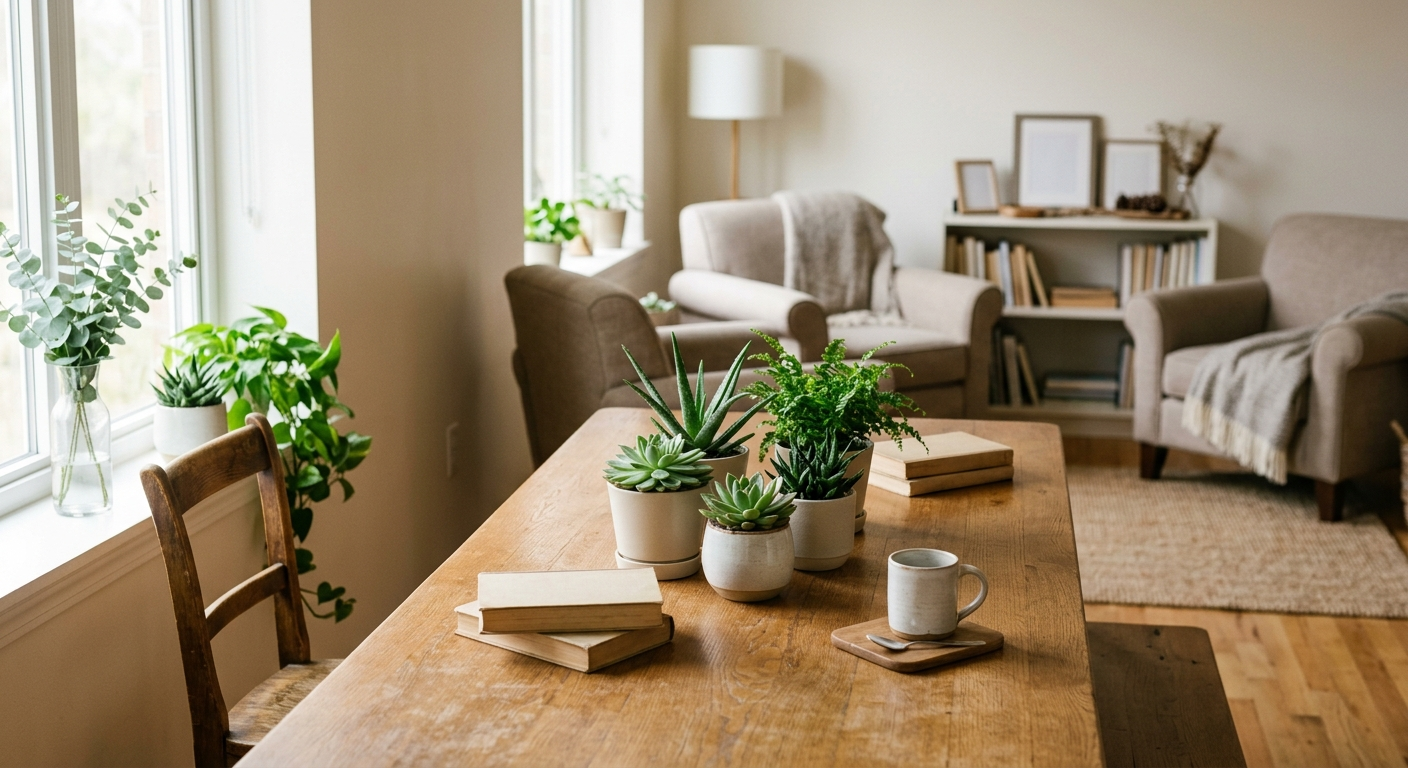
According to the Sober Apartment Living blog, recovery happens in community. When the Substance Abuse and Mental Health Services Administration's 2024 National Survey on Drug Use and Health found that 48.4 million Americans ages 12 and older experienced a substance use disorder in the past year, the homes that succeed understand this fundamental truth. Shared kitchens become accountability spaces. Living rooms host impromptu check-ins at midnight.
Utilities matter differently here. Hot water for a 6 AM shower before court. Consistent electricity for the CPAP machine that helps someone sleep without substances for the first time in years. These aren't amenities - they're infrastructure for staying clean.
The Business Research Company's Sober Living Homes Global Market Report tracks the sector growing at 9.2% annually through 2030, but that expansion isn't driven by granite countertops. It's driven by places that get the basics right. Research on sober living duration shows residents who stay six months or longer have 7.8% more abstinent days. They stay because the house works. The internet connects. The heat runs. The common areas feel safe.
Recovery housing in 2026 competes on reliability, not luxury.
Sources

James covers the business of running sober living homes, from startup costs to the daily grind of keeping beds filled and bills paid. He's spent nearly a decade in recovery housing operations across Texas and California. He writes about what actually works, not what looks good in a business plan. Based in San Diego.
View all articles →Profit Leak Calculator
Find out how much your sober living home is losing to vacancies, admin time, and consumables. Free survival kit included.
Calculate your profit leak →